Career AdvancementCareer Cushioning Explained: Why Professionals Are Quietly Preparing Exit Plans
Moving to Nice, France
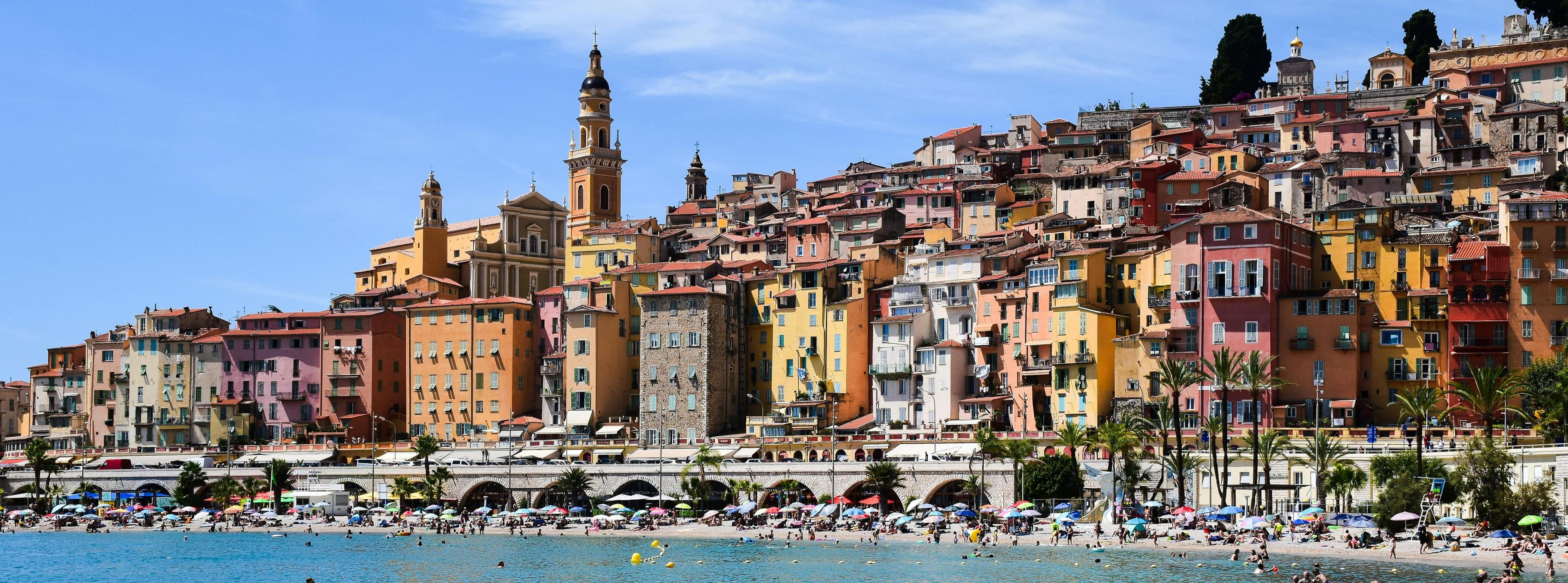
Welcome to Nice, Where Mediterranean Elegance Meets a Thriving Modern Lifestyle
Nice blends coastal beauty, cultural prestige, and a dynamic professional environment, making it one of France’s most attractive cities for newcomers. Set along the world-famous French Riviera, the city offers more than sunshine and seaside promenades. It has a growing reputation in sectors such as technology, tourism, research, health sciences, and green innovation. The nearby Sophia Antipolis technology park, often called the European Silicon Valley, significantly strengthens the local job market and attracts thousands of skilled professionals every year.
Life in Nice is defined by a relaxed Mediterranean rhythm combined with an international sensibility. The city enjoys around 300 days of sunshine per year, offering an exceptional work-life balance with easy access to beaches, hiking trails, and cultural venues. Its cosmopolitan population, large expat community, and strategic position near Monaco, Italy, and major European transport routes make it highly appealing for those seeking both professional and personal enrichment.
Professionals relocating to Nice discover a stable economy supported by tech entrepreneurship, tourism, and innovation hubs. Meanwhile, individuals considering the move find a city filled with colorful markets, world-class museums, vibrant nightlife, and a lifestyle centered around wellbeing. With a strong public transport network, excellent healthcare, and a welcoming international culture, Nice is an ideal destination for anyone looking to build a fulfilling life in the south of France.
Lifestyle and Culture in Nice
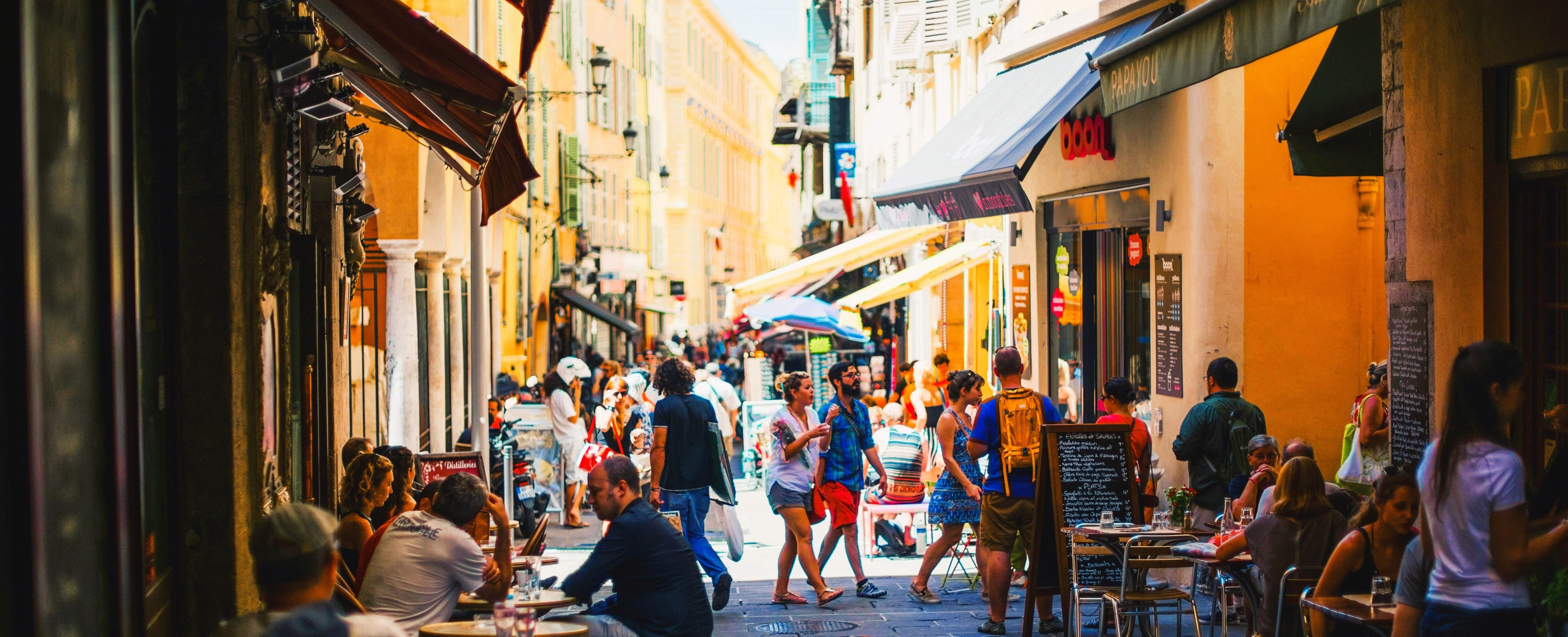
City Vibe & Everyday Life
- The rhythm in Nice combines relaxed Mediterranean leisure with a refined, historically rich ambiance. Its coastal setting, bright climate and palm-lined boulevards contribute to a laid-back lifestyle — many locals enjoy sea breezes, beach time and outdoor strolls.
- Nice balances its resort-town charm with a cosmopolitan urban feel. Residents and newcomers experience a blend of local tradition and international influences — reflected in food, arts, architecture and social life.
- The availability of both urban amenities and outdoor recreation (sea, hills, Mediterranean climate) supports a healthy work–life balance: easy access to strolls on the beach, hikes, markets, culture and laid-back weekends.
Cultural Highlights & Must-See Attractions
Some of the top cultural and sightseeing spots include:
- The historic old town (“Vieux-Nice”) — a maze of narrow, charming streets, pastel-coloured buildings, small shops and lively cafés that truly captures the city’s Mediterranean soul.
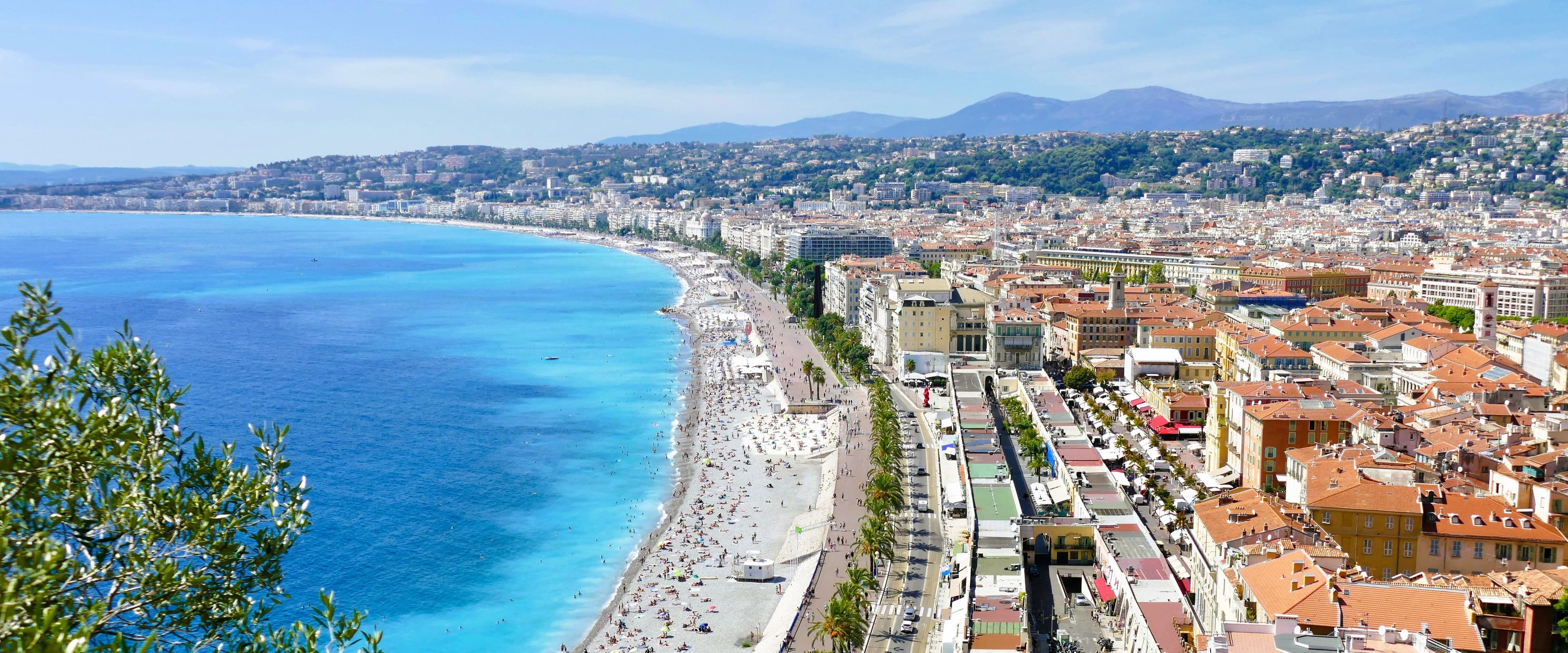
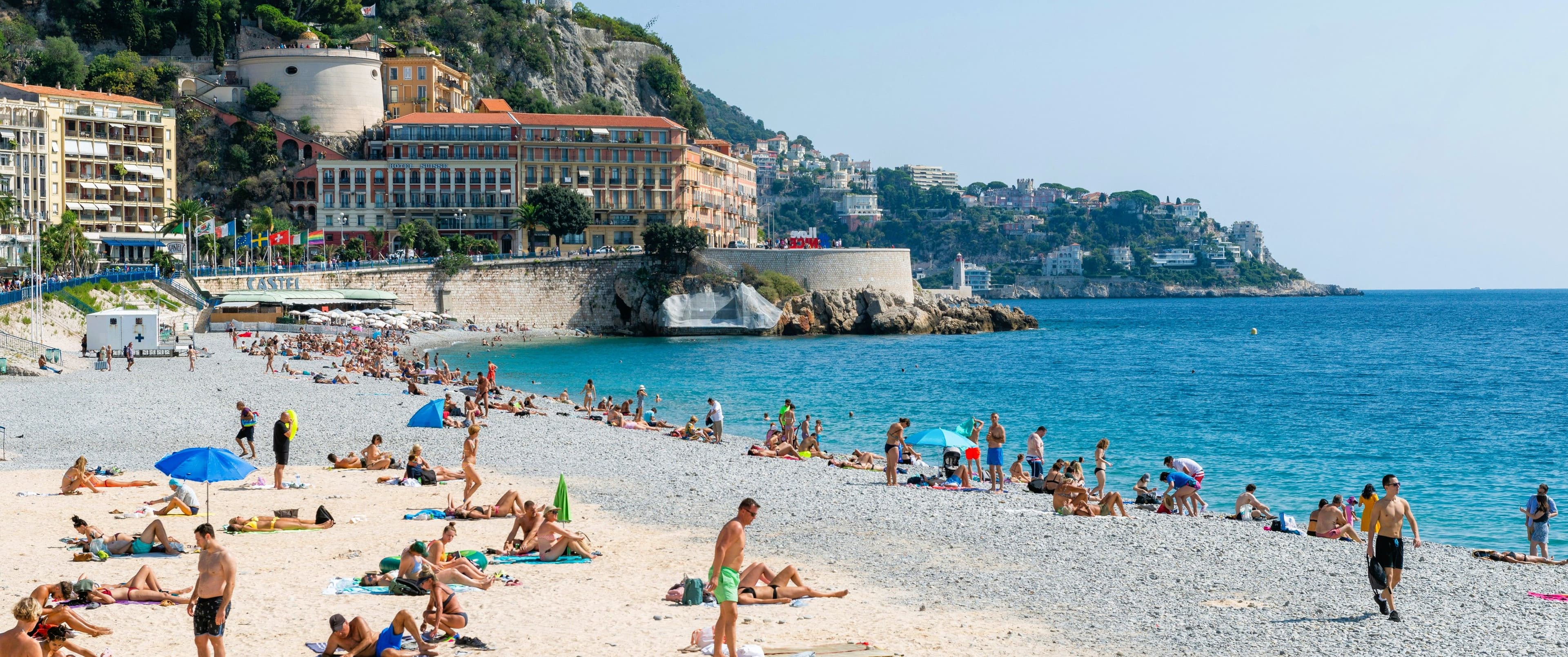
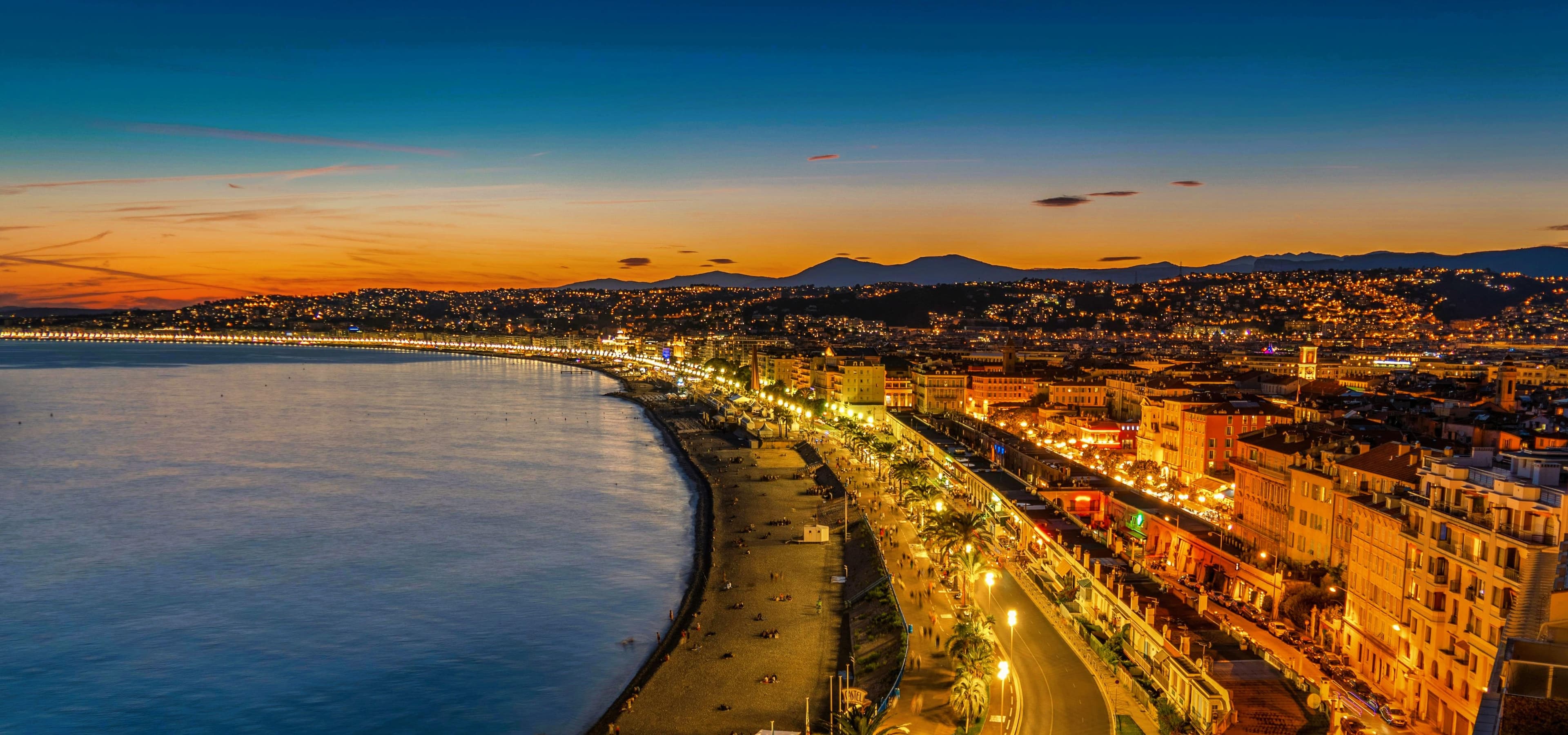
- Promenade des Anglais — a 7-kilometre seaside boulevard along the Bay of Angels, perfect for walking, cycling, or relaxing by the Mediterranean. This long, iconic promenade is part of what defines Nice’s coastal identity.
- Colline du Château (Castle Hill) — from its heights, panoramic views over the old town, port, coast and surrounding landscape offer one of the most beautiful vantage points in Nice.
- Art and museums:
- Musée Matisse, located in a 17th-century villa surrounded by olive trees, houses a rich collection dedicated to the artist’s time in Nice.
- Palais Lascaris — a Baroque palace in the old town turned museum of art and music, with historic instruments and beautiful architecture.
- Other museums and cultural spaces reflect a long tradition of art, music, and Mediterranean heritage — from classical to modern.
- Vibrant local life: Places like the flea & flower market at Cours Saleya are great for sampling local produce, fresh food, Mediterranean scents and everyday charm.
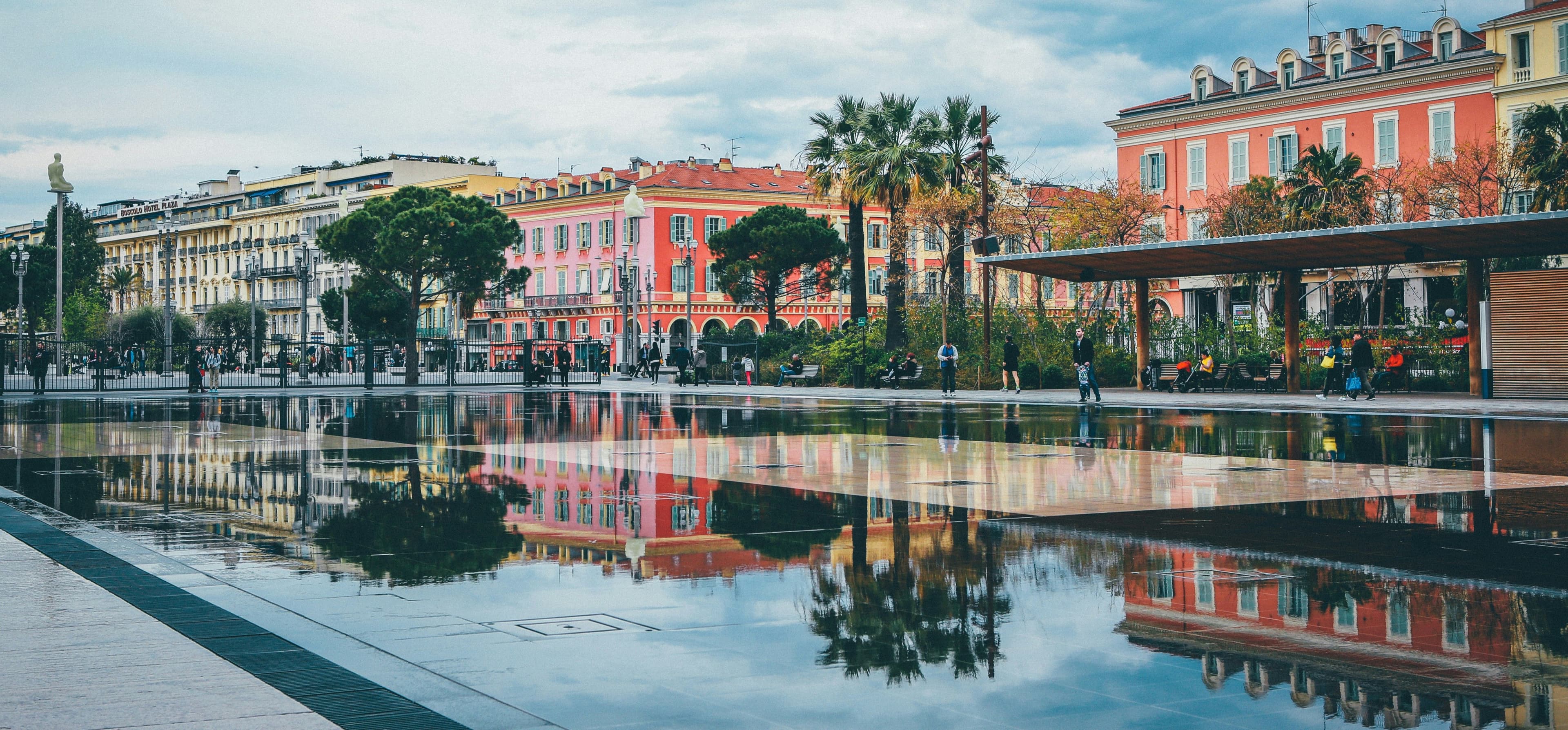
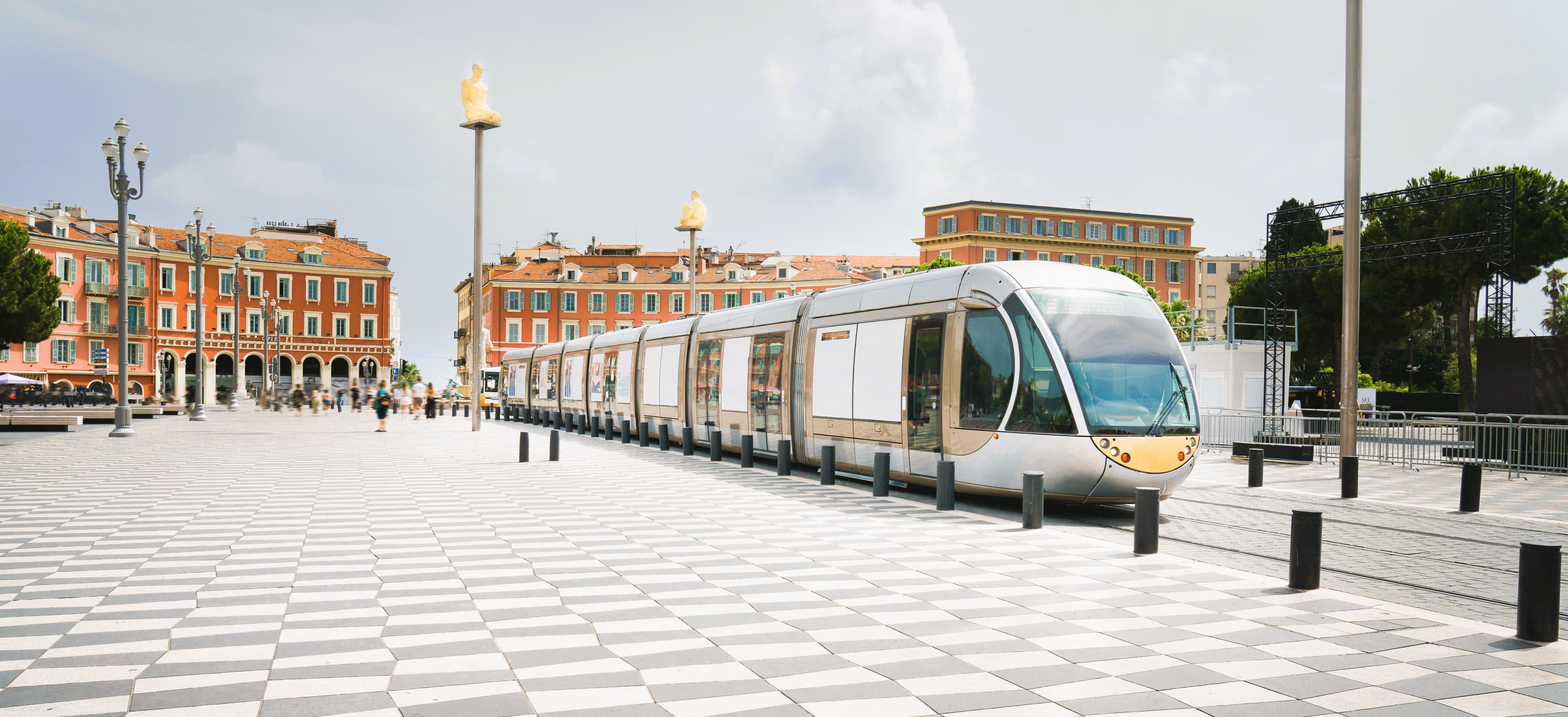
- Grand squares & plazas such as Place Masséna, blending historic architecture, modern energy, and nightlife — ideal for socialising, dining, or evening strolls.
Popular Neighborhoods for Residents, Professionals & Families
- Cimiez — an elegant, leafy district known for its villas, historical heritage, calm atmosphere, and proximity to museums (like Musée Matisse) and green areas. This neighbourhood appeals especially to families, artists and those seeking a peaceful yet cultured life.
- Old town / Vieux-Nice — for people wanting to immerse in the local vibe: cobblestone streets, old-town charm, easy access to sea and city centre, markets, cafés and cultural venues. Great for singles or couples who enjoy an active, vibrant lifestyle.
- Coastal districts near Promenade des Anglais and sea-facing neighbourhoods — ideal for those who value beach access, sea views, and relaxed seaside walks for downtime after work.
Social Life & Traditions
- The city has a long history of attracting artists, intellectuals and travellers — resulting in an international, open-minded community with a mix of French Riviera flair and global influences.
- Nice offers the possibility to alternate urban living with nature: seaside promenades, Mediterranean climate, proximity to hills and even nearby Alps for those who enjoy hiking or occasional winter sports — adding variety to everyday life.
- Culture and leisure are accessible: from museums and arts, to beach life, markets, seaside walks, nightlife or tranquil strolls — suits a wide variety of lifestyles.
Cost of Living in Nice
Here is a breakdown of typical living expenses in Nice, France — useful if you plan to relocate on your own or with family. Costs always depend on lifestyle, location, and personal habits, but these numbers give a realistic baseline.
Typical Monthly Costs
- According to recent data, for a single person living in Nice (excluding rent) typical monthly expenses average around €987.
- For a family of four (two adults, two children), non-rent expenses tend to run around €4,178 per month.
Housing & Utilities
- A one-bedroom apartment in the city (central area) commonly rents for around €1,150 per month.
- Shared flats or student-style accommodations are often cheaper; for example, a shared flat may cost about €456/month, while a small independent studio (T1) could be around €626/month.
- Basic utilities (electricity, heating, water, garbage) for a medium-sized apartment tend to be roughly €180–€230/month, depending on size and usage.
- Internet and mobile phone plans are relatively affordable — roughly €25–€33/month for internet, and €15–€22/month for a mobile plan with data.
Groceries & Food
- Regular groceries for a single person — depending on eating habits (home cooked vs dining out) — often amount to €200–€300/month.
- Basic grocery prices give a sense: 1 liter of milk ~ €1.35; 1 kg of rice ~ €2.17; 1 kg of chicken ~ €15; 1 loaf of bread (500 g) ~ €1.90.
- Eating out or enjoying occasional restaurant meals increases costs, but Nice offers a range of budgets depending on cuisine and location.
Transport & Transit
- Public transport: a single-ride ticket costs about €1.70, and a monthly pass is around €42.50.
- Occasional taxi rides or using a car will add more costs (fuel, maintenance, parking), but many residents rely on public transport, walking or cycling, particularly in central neighborhoods.
How Nice Compares, National & International Context
- Within France, Nice ranks among the more expensive cities. Its “cost-of-living index” is higher than many smaller or less-touristic cities, though lower than those of mega-cities such as the capital. Fab Expat
- Compared to a generic national average living cost across France, living in Nice is somewhat costlier — especially for housing and rent — largely due to its popularity, Mediterranean coast location and demand.
- For a single person, expect a realistic monthly budget (including rent, utilities, food, transport) to be significantly above the lowest-cost French cities, but still manageable with a stable salary. For families, the required budget increases considerably, so location (housing type, neighborhood) and lifestyle choices play an important role.
What This Means for Professionals & Families Considering Relocation
- Professionals: If moving alone or as a couple, anticipate that living costs — especially housing — will be a major portion of your budget. A modest one-bedroom apartment plus typical living expenses leads to a moderate-to-high monthly cost.
- Families: Costs rise notably — housing (larger flat or apartment), utilities, groceries for more people — so careful budgeting is important. Suburban or shared housing may offer savings, but still, living comfortably in Nice is comparatively more expensive than in many French towns.
- Lifestyle affects cost significantly: cooking at home, using public transit, avoiding high-end areas will reduce expenses. On the contrary, dining out often, living near the coast or in central neighborhoods, and using private transport will increase costs.
Average Salaries in Tech in Nice
Relocating to Nice as a tech professional usually means stepping into the upper end of the local salary spectrum. Tech salaries are typically expressed in gross annual euros for full-time roles, and vary with experience, skills, and company size.
Below are realistic 2025 ranges based on recent compensation data for Nice and, when needed, tightly comparable nearby cities in the same labor market.
Software Developers & Software Engineers
For classic developer / software engineer roles in Nice:
- Entry-level (0–2 years)
- Typical range: €40,000 – €50,000 gross / year
- Context: reports a median total compensation of about €48,000, with most offers between €41,000 and €60,000 in Nice.
- Mid-level (3–6 years)
- Typical range: €50,000 – €70,000 gross / year
- An average software developer salary around €70,800, slightly below the French national software-developer average, and notes that Nice is about 2 percent lower than the national mean for this role.
- Senior (7+ years, tech lead / architect)
- Typical range: €70,000 – €90,000+ gross / year
- Data for Nice shows entry roles at around €49,400, rising to ~€87,900 for senior developers with 8+ years of experience.
For professionals moving from Paris, London or Berlin, these numbers are generally lower than top-tier capital-city packages, but the cost of living and lifestyle in Nice compensate many for the gap, especially for those prioritizing sea, sun and work-life balance.
Data Analysts & Data Scientists
Data roles in Nice span from operational reporting to advanced analytics and machine learning.
Data / Reporting Analysts (BI, reporting, junior data roles)
- Entry-level (0–2 years)
- Typical range: €34,000 – €42,000 gross / year
- An “analyst data reporting” in Nice has an average salary around €48,500, with juniors starting just above €34,000.
- Mid-level (3–6 years)
- Typical range: €45,000 – €55,000 gross / year
- Senior / Business Data Analysts (7+ years, ownership of domains / dashboards / KPIs)
- Typical range: €55,000 – €75,000+ gross / year
- A business data analyst in Nice earns on average about €65,700, with a typical range from €45,000 to €80,000, depending on experience and sector.
Data Scientists
- Entry-level: around €45,000 – €55,000 gross / year
- Mid-level: approximately €55,000 – €70,000 gross / year
- Senior: often €70,000 – €85,000+ gross / year in companies with mature data stacks.
shows data-scientist packages in Nice clustering around the high-40k to mid-50k range for many roles, while France-wide data scientist medians sit around €55,500, with typical bands between €45,800 and €71,300.
DevOps & Cloud / Infrastructure Roles
Nice is closely linked with the Sophia Antipolis tech ecosystem, so DevOps and cloud engineers are in steady demand, especially around SaaS, cybersecurity, and high-availability systems.
Using “engineer, development operations” role (a DevOps-equivalent) for Nice and neighbouring Antibes:
- Entry-level DevOps (0–2 years)
- Typical range: €45,000 – €52,000 gross / year
- Entry profiles are quoted around €46,400 in this job family.
- Mid-level DevOps (3–6 years)
- Typical range: €55,000 – €70,000 gross / year
- Average DevOps-type engineer salaries in the area sit close to €66,000 gross / year, slightly below the overall French average for similar profiles.
- Senior DevOps / SRE (7+ years, expert in automation, Kubernetes, multi-cloud)
- Typical range: €70,000 – €85,000+ gross / year, with higher packages in niche industries or for roles bridging security, reliability and architecture.
How These Salaries Compare Locally & Nationally
To understand how these tech salaries position you in Nice, it helps to look at broader income data:
- Overall, residents in Nice earn an average of about €2,427 net per month, or €29,122 net per year, across all professions.
- Nationwide, average pay in France has recently been measured at about €2,587 net per month for 2024, with other analyses quoting around €2,733 net per month for private-sector employees, depending on methodology and year.
- In Nice specifically, “cadres” (managers and high-skilled professionals) earn significantly more than the city average, with net hourly means over €25 per hour, compared to €15 per hour for all employees. Tech professionals typically fall within this cadre bracket.
What this means in practice:
- A mid-level software engineer or DevOps engineer on €55,000 – €65,000 gross is generally earning well above the city-wide average, even once taxes and social contributions are deducted.
- Compared with major tech hubs like Paris, Nice salaries are usually 10–20 percent lower, but this is partly offset by lower housing costs than the Paris region, a milder climate, and access to nature.
- Relative to other European secondary tech hubs (for example, Valencia, Porto, or some German mid-sized cities), Nice is broadly competitive on total compensation when lifestyle and cost of living are taken into account. This is an informed comparison drawing on France-wide salary averages and regional differences reported by INSEE-based analyses.
Takeaways for Professionals Moving to Nice
- Early-career professionals can expect to start above the local average income quite quickly, especially in software development, data, or DevOps.
- Mid-career profiles often reach salary levels that allow a comfortable standard of living in Nice, particularly if combined with prudent housing choices and the option of hybrid or remote work.
- Senior specialists and managers in tech typically sit in the top income brackets for the city, enjoying a strong balance of compensation and quality of life by the sea.
Family-Friendliness in Nice
Nice is often seen as a “holiday city,” but for many families it is also a very practical place to live long term. Between a robust French public school system, international schools, good healthcare, and plenty of parks and seaside spaces, the city suits both young children and teenagers.
Schools and Education
Public schools
Nice is part of the French national education system, which is known for its structured curriculum and low or no tuition fees in public schools. The Ministry of Education outlines a clear pathway from école maternelle (preschool) and école élémentaire through collège and lycée, with class-size reduction policies particularly focused on early years.
For families relocating from abroad, this means:
- Children can attend free public schools, usually zoned by neighborhood.
- The national curriculum is standardized, and academic expectations are generally high.
- School holidays and timetables follow the French national calendar, which is accessible online through the government’s portal.
International and bilingual schools
Nice also has a strong offering of international and bilingual options, attractive for expat families or parents who want continuity with English-language education:
- International School of Nice (ISN) is a private, co-educational day school from preschool to Grade 12. It offers International Baccalaureate programmes and an English-language environment, with over 40 years of history and a diverse student body.
- ICS Côte d’Azur is a bilingual primary school (ages 3 to 11) that combines French and English, with more than 30 nationalities and a learner-centered approach.
- École Internationale Bilingue Nice “Le Pain d’Épice” provides genuine 50/50 bilingual education in French and English from age 2.
- Several guides, such as MumAbroad and international school databases, list multiple international and bilingual options in Nice and the wider Riviera region, helping parents compare curricula (IB, IGCSE, French, bilingual).
Together, these options offer flexibility: families can choose between full immersion in French public schools, bilingual pathways, or fully international curricula that align with future study abroad.
Healthcare and Family Services
Nice benefits from France’s universal healthcare system and a wide network of public and private medical facilities. While individual hospitals are not all in the search results above, national data from the Ministry of Education and broader government portals highlight France’s strong social systems, including healthcare and family support structures.
For families this means:
- Access to general practitioners, pediatricians, dentists and specialists within the city and surrounding area.
- Public hospitals supplemented by private clinics, which many residents use through health insurance top-ups (mutuelles).
- Maternity and pediatric care that follow national standards known for good outcomes compared to many other OECD countries.
Childcare
Childcare options range from public crèches and maternelles to private nurseries and babysitting services. Family-oriented guides for Nice point out that:
- There are numerous nursery and babysitting services, with the possibility of municipal crèches for younger children.
- Expat and tourism-focused sites often recommend contacting local tourist offices or municipal services to obtain updated lists of registered childcare providers.
Securing a place in a public crèche can require planning and early registration, which is typical in many French cities.
Parks, Playgrounds and Outdoor Spaces
One of the biggest advantages of raising children in Nice is easy access to safe outdoor spaces, both in the city and in the nearby hills.
Key parks and playgrounds
- The Promenade du Paillon is often highlighted as a flagship family spot in Nice. It is a long linear park cutting through the city with water features, green lawns, and large playgrounds that let children run and play safely just a short walk from the old town and sea.
- Family travel guides and local blogs regularly list a number of popular parks and play areas, such as Parc Castel des Deux Rois on the slopes of Mont Boron, as well as botanical gardens and neighborhood playgrounds where children can play while parents enjoy sea or city views.
- The wider Côte d’Azur area offers adventure parks and woodland play spaces like the “Bois des Lutins,” a low-tech fun park of rope walkways and tree-top structures, which many families from Nice visit on weekends.
Travel resources that focus on families consistently describe Nice as kid-friendly, with beaches, gardens, and museums adapted for younger visitors.
Family-Friendly Neighborhoods
When choosing where to live, many families in Nice look for a mix of schools, green spaces, safety and everyday amenities. Expat guides and family blogs mention several areas in particular:
- Cimiez is frequently recommended as a calm, residential district with good schools and parks. It has a reputation for being elegant and family oriented while still close to the city center.
- Fabron and Mont Boron are also highlighted as family-friendly, offering space, sea or city views, and access to parks or playgrounds, along with convenient services.
- Central areas close to major parks or the sea, particularly near Promenade du Paillon or around the port, can also work well for families who value proximity to schools and public transport more than large living space.
Each neighborhood comes with a different housing profile: Cimiez, Mont Boron and parts of Fabron often offer quieter streets and more spacious apartments, whereas central districts provide a stronger urban feel and easier access to cultural venues.
Family Activities and Everyday Life
Families in Nice enjoy a mix of seaside and cultural activities:
- Child-friendly attractions include beach days on the Promenade des Anglais, visits to local museums that run children’s workshops during school holidays, and day trips to nearby hill villages.
- Family guides suggest itineraries with boat tours, easy coastal walks, time in parks, and stops for ice cream or crêpes as simple but effective ways to keep children engaged.
Overall, Nice combines a solid education and healthcare framework with a climate and environment that encourage an active, outdoor lifestyle. For many parents, the ability to pick children up from school and be at the beach or in a city park within minutes is a major part of the quality of life.
Relocation Resources, Housing & Rental Services in Nice
Here are some of the most useful websites, agencies, and platforms to help with housing, rentals, and relocation services when moving to Nice. These are particularly helpful for expats, professionals relocating for work, or families searching for long-term accommodation.
Recommended Rental Platforms & Agencies
- MorningCroissant — A flexible rental platform offering furnished and unfurnished apartments in Nice, with leases ranging from one month to three years. This is ideal for newcomers who may not yet know how long they will stay. morningcroissant.com
- Nestpick — Offers a huge selection of furnished apartments across Nice and makes it easier to book online with flexible leases. Good for expats who want to secure housing before arrival. nestpick.com
- HousingAnywhere — Useful for long-term rentals (rooms, studios, apartments) as well as medium-term stays, especially for students, early-career professionals or temporary contracts. HousingAnywhere
- Palais Immobilier — Local real-estate agency with solid reputation in Nice for both long-term and seasonal rentals, covering city center and suburban districts. Their teams handle contracts, administrative paperwork, and can guide you through the local rental norms. palaisimmobilier.com
- Nice Riviera (agency “Nice Riviera”) — A real-estate agency based in Nice offering support for those looking to buy or rent property — useful for people considering a longer-term move or even purchase. niceriviera.fr
What to Know & Expect When Renting
- The typical rental price in Nice tends to be high: on average, rental properties are around €17 per m² (as of early 2024), which tends to make Nice more expensive than many other French cities. Expat.com
- Given the high demand — especially in popular districts near the sea or city centre — many expats and newcomers rely on agencies or digital rental platforms to secure housing rather than private classifieds. Using agencies also helps when landlords require a guarantor (common in France). Expat Arrivals
- Furnished rentals are abundant — useful for people who arrive without furniture or who prefer flexibility. Many of the platforms above allow you to sign a lease before arrival and sometimes even pay remotely. nestpick.com
Job Market and Taxes in Nice
Job Market: Tech Opportunities Around Nice and Sophia Antipolis
Nice is directly connected to Sophia Antipolis, often called France’s leading technopole. It sits only a short commute from Nice and concentrates thousands of tech and innovation jobs.
Key facts that matter for relocating professionals:
- Sophia Antipolis hosts around 2,500 companies, 40,000 employees and generates roughly €5.6 billion in turnover, with workers from more than 80 countries.
- There are currently about 2,500 job vacancies advertised across the technopole, according to the official Sophia Antipolis site.
- Core sectors include cybersecurity, artificial intelligence, digital services, telecoms, software, data and research labs, with major players and specialist firms such as Fortinet, Orange Cyberdéfense, Accenture and others.
- Recent announcements confirm ongoing growth, with new offices and software centers in Sophia Antipolis focused on AI, connectivity, cybersecurity and automotive software, which reinforces demand for engineers, data and cloud profiles.
At the national level, the French labour market remains large and active, with more than 30.9 million people in the labour force and an employment rate of around 68.4 percent in 2023. Tech roles usually sit in the higher skilled and better paid segment of this market, especially in hubs like Nice and Sophia Antipolis.
For professionals considering a move, this combination of:
- A major tech cluster next to the city
- Strong sectors such as AI, cybersecurity, software and data
- Ongoing expansion of R&D and software centers
makes the Nice area a serious option for long term tech careers, not only a lifestyle destination.
Where to find current job openings
For live, curated tech opportunities in and around Nice and Sophia Antipolis, roles can be explored directly through TieTalent:
This is the recommended starting point for software engineers, data professionals, DevOps, cloud and other digital profiles who are planning a relocation to the French Riviera.
Income Tax Overview in France
Anyone relocating to Nice will be subject to the French income tax and social contributions system, which applies at the national level. Understanding the basics helps to assess net salary and cost of living.
To translate gross salary offers into realistic monthly take home pay, TieTalent provides a dedicated tool for France:
This calculator is designed to reflect the progressive tax scale, social contributions and standard parameters in France and can help assess how far a given Nice or Sophia Antipolis salary will go against the cost of living described earlier.
Featured Articles: