Career AdvancementCareer Cushioning Explained: Why Professionals Are Quietly Preparing Exit Plans
Moving to Linz, Austria
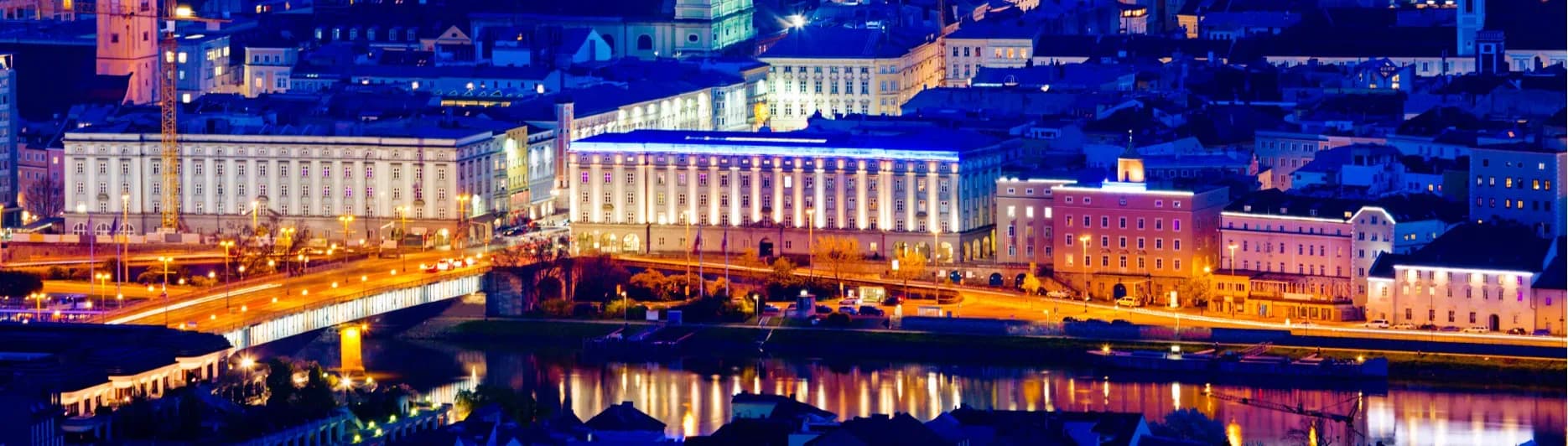
Welcome to Linz: Where Industry Powers Innovation.
Linz is Austria’s third-largest city and a fast-evolving hub on the Danube that blends industrial strength with a forward-looking tech and research ecosystem. Long known for steel and manufacturing, the city has successfully repositioned itself as a center for digital innovation, software development, automation, and applied research. This mix creates a stable economy with growing opportunities for professionals in tech, engineering, and data-driven fields.
The city’s transformation is closely tied to its strong academic and research infrastructure. Johannes Kepler University Linz plays a key role in supplying skilled talent, particularly in computer science, AI, mechatronics, and business informatics. Collaboration between universities, research institutes, and private companies supports a steady pipeline of innovation and employment. According to data from Statistik Austria and the Upper Austrian Chamber of Commerce, Upper Austria consistently ranks among the country’s strongest regions for industrial output and R&D investment.
For professionals considering relocation, Linz offers a compelling balance between career prospects and quality of life. The cost of living remains noticeably lower than in Vienna or Salzburg, while salaries in technical roles stay competitive at a national level. Commute times are short, public transport is reliable, and green spaces along the Danube and in the surrounding hills are easily accessible after work. This makes Linz particularly attractive for those seeking a calmer, more affordable alternative to larger capitals without sacrificing professional growth.
International residents benefit from Austria’s high standard of living, excellent healthcare system, and strong social security framework. Linz itself is increasingly international, supported by multinational employers, English-friendly workplaces in tech and research, and a growing expat community. Combined with Austria’s reputation for safety, political stability, and work-life balance, Linz stands out as a smart relocation choice for professionals and families alike.
Lifestyle and Culture in Linz
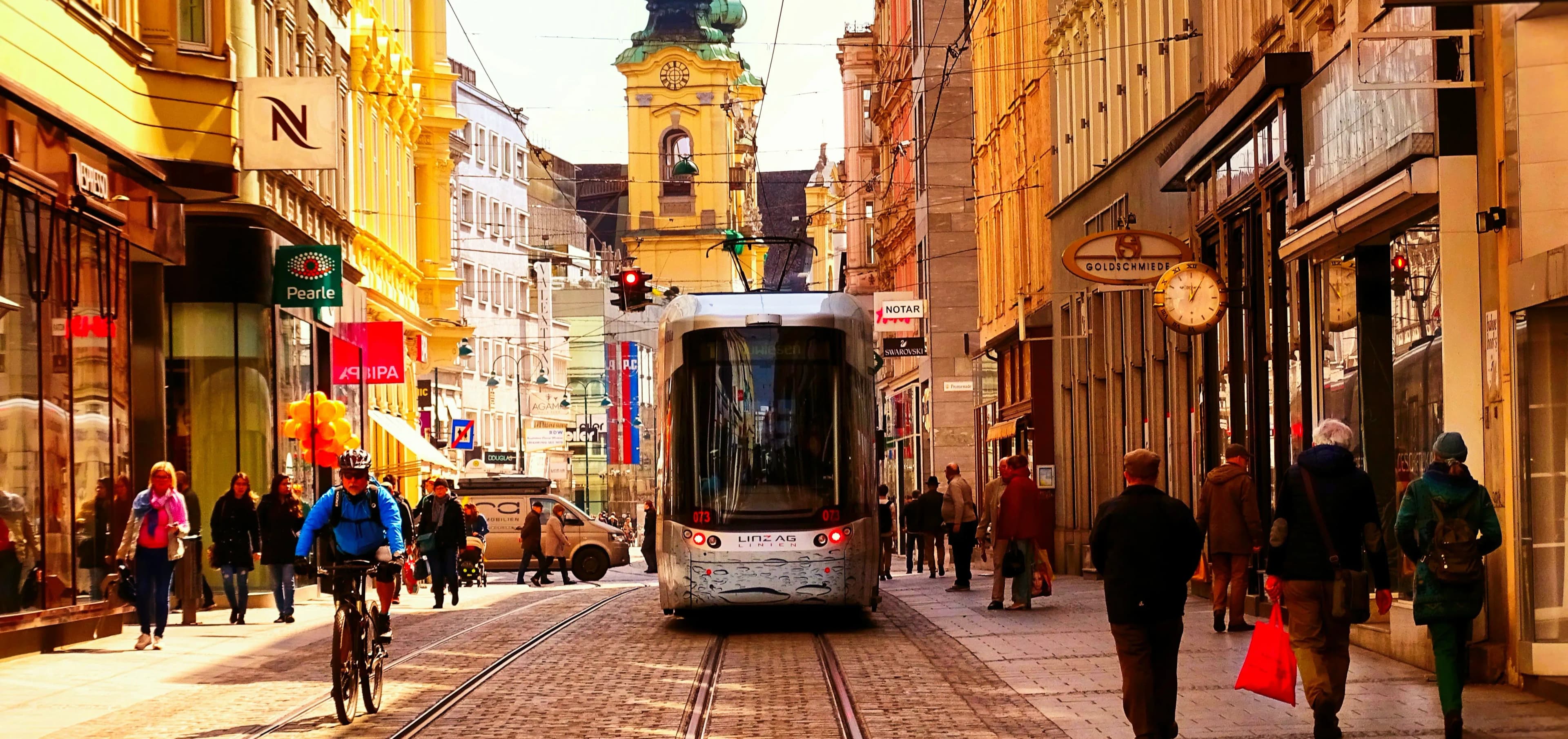
City Lifestyle
Linz offers a lifestyle that feels balanced, practical, and refreshingly unpretentious. The city is known for its efficient daily rhythm where professional life is taken seriously, yet personal time is strongly protected. Working hours are generally structured, overtime culture is limited, and evenings and weekends are clearly reserved for leisure, family, and outdoor activities. This makes Linz especially appealing for professionals seeking long-term sustainability rather than constant hustle.
The overall vibe is relaxed and approachable. Residents tend to start their days early, with cafés filling up in the morning and the city winding down earlier than in larger capitals. Social life is present but not overwhelming, centered around cozy bars, cultural venues, riverside walks, and seasonal events. English is commonly spoken in academic, tech, and international business environments, which helps newcomers integrate quickly while gradually learning German at their own pace.
Nature is an essential part of everyday life. The Danube riverbanks, nearby forests, and hills such as Pöstlingberg allow residents to switch easily from office mode to outdoor recreation. Cycling to work, lunchtime walks along the river, and after-work hikes are common habits rather than exceptions, reinforcing Linz’s reputation for a healthy work-life balance.
Cultural Highlights and Attractions
Linz has built an international reputation as a city where culture and technology intersect. One of its most distinctive landmarks is the Ars Electronica Center, often referred to as the Museum of the Future. It explores digital art, artificial intelligence, robotics, and the societal impact of technology, making it particularly relevant for tech professionals and innovators.
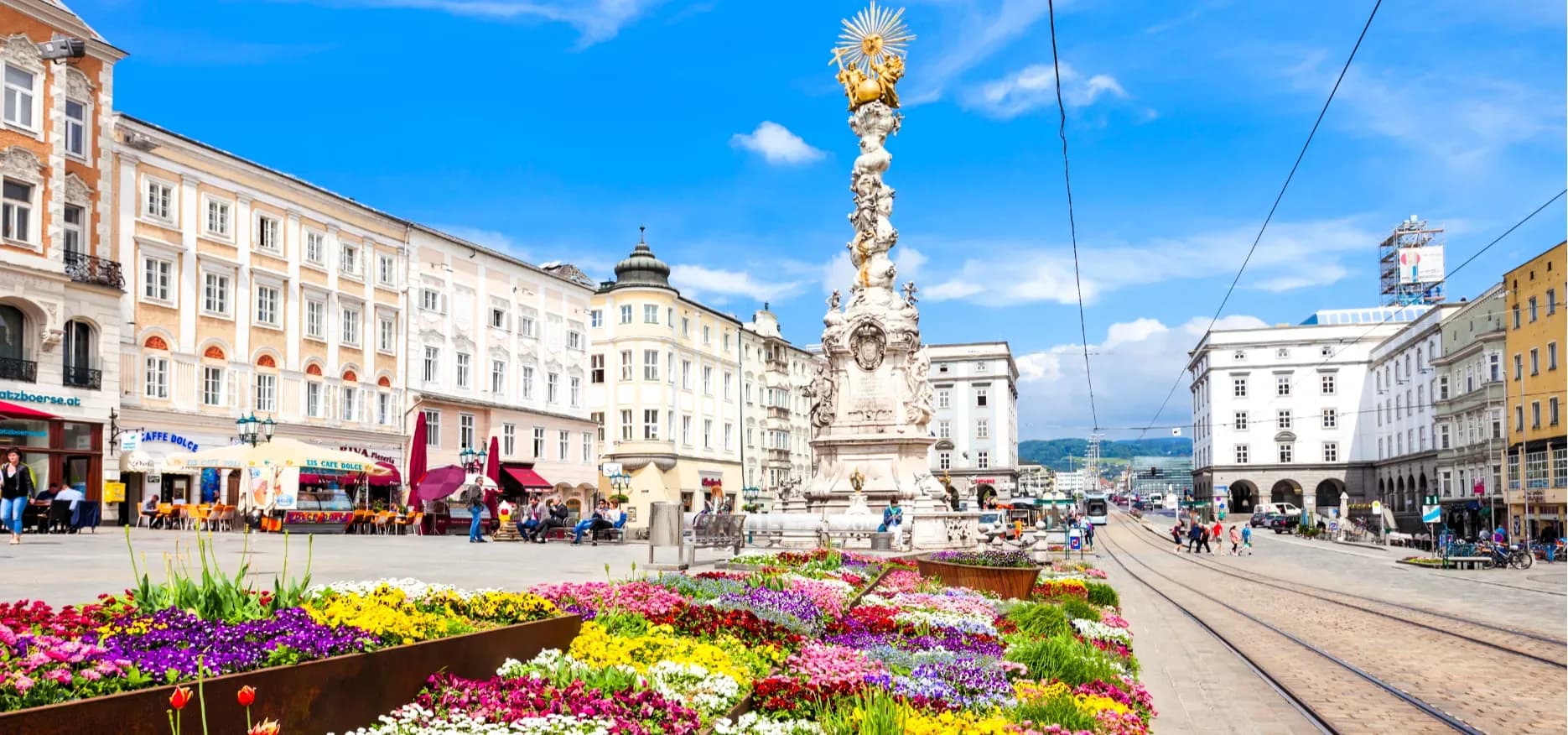
Art and music are equally important to the city’s identity. The Lentos Art Museum hosts contemporary and modern art exhibitions, while the Brucknerhaus honors composer Anton Bruckner with classical concerts and international performances throughout the year. The historic old town around Hauptplatz provides a charming contrast with baroque architecture, small shops, and traditional Austrian cafés.
Festivals play a significant role in local culture. The annual Ars Electronica Festival attracts creatives and technologists from around the world, while music, film, and street food events animate the city during warmer months. Seasonal traditions such as Christmas markets and summer open-air concerts create regular opportunities for social connection and cultural immersion.
Popular Neighborhoods
Urfahr
Located north of the Danube, Urfahr is popular among professionals and families alike. It offers modern apartments, good public transport connections, and proximity to universities and research institutions. Green areas along the river and easy access to cycling paths make it ideal for an active lifestyle, while rents remain more moderate than in central districts.
Innenstadt and Altstadt
The city center appeals to those who value walkability and cultural life. Residents enjoy close access to offices, restaurants, museums, and public transport hubs. Housing mainly consists of renovated historic buildings and newer apartments, making it attractive for singles, couples, and professionals working in central offices or tech-related roles.
Pöstlingberg Area
This hillside district is known for its quiet, residential character and panoramic views over the city. It is particularly attractive for families seeking larger living spaces, access to nature, and a calm environment while remaining within reach of the city center by tram or car.
Franckviertel and Bulgariplatz Area
These emerging neighborhoods are increasingly popular with younger professionals. They offer more affordable housing, improving infrastructure, and a growing number of cafés and local services. Their proximity to industrial and tech employers makes them practical choices for those working in engineering, IT, or manufacturing-related roles.
Cost of Living in Linz
Linz offers a moderate cost of living compared with other Western European cities and even within Austria itself. Daily life expenses here reflect a balance of high quality public services, stable housing markets, and accessible transport, without the extreme prices seen in capital cities like Vienna.
Breakdown of Major Expenses
Housing (Rent)
Housing is typically the largest monthly expense for residents. A one-bedroom apartment in the city center usually ranges around €600 – €800 per month, while outside the center it can be closer to €450 – €600 per month depending on size, condition, and neighborhood. Larger 2-bedroom apartments often range higher but remain competitive compared with bigger European cities.
• According to recent listings, average rental prices in Linz tend to be moderate, with many units around €800–€900/month overall, while the lowest rents can go significantly below that depending on the area and size.
Food and Dining
• A meal at a basic restaurant typically costs about €15 in Linz, and fast-food or casual options (like a McMeal) average around €11–€12.
• Everyday groceries such as a bottle of water, bread, or coffee range modestly as well, although food prices are comparable to or slightly higher than the national Austian average.
Utilities and Internet
• Typical utility bills (electricity, heating, water) for a standard apartment can vary based on consumption and season, while internet and phone plans are competitive and widely available throughout the city. In Austria, utility costs are broadly similar across cities.
Transportation
• Linz has comprehensive public transport (trams, buses). A single ticket is roughly €2.40–€2.80, while monthly passes usually fall in the €40–€60 range.
Other Essentials
• Essentials such as clothing, entertainment, and personal care vary with lifestyle choices. Groceries and transport are slightly cheaper than in Austria’s larger cities on average, while eating out and leisure costs tend to reflect national trends.
Estimated Monthly Budgets
These figures are approximate and depend on personal habits and household size:
- Single person: Around €1,000 – €1,500 including rent and utilities in Linz, depending on apartment choice and leisure habits.
- Couple: Expect €1,800 – €2,500, as shared housing and joint expenses balance out.
- Family: Around €2,500 – €4,000+, especially if childcare, schooling (private or international), and larger housing are considered.
These budgets put Linz comfortably below the cost of living in Vienna and some other major Austrian and Central European cities, especially when rent is excluded.
Comparison to National and Other Cities
- Compared to Vienna: Overall living costs in Linz tend to be about 7–11% lower, and rental prices also trend lower than in Austria’s capital.
- Within Austria: Linz is generally close to the national average or slightly more affordable, particularly for housing.
- Versus Larger European Cities: Linz is often considerably less expensive than cities like London, Zurich, or Paris, although still competitive with other mid-sized European cities in quality of life.
Everyday Typical Prices
Here are a few snapshot prices to give a real-world sense of costs in Linz:
- Meal at an inexpensive restaurant: ~€15.
- Cappuccino: ~€4.
- Public transport one-way: ~€2.40–€2.80.
- Monthly transport pass: ~€40–€60.
Linz’s cost of living is balanced and approachable for newcomers—especially those moving from more expensive cities—while offering a European standard of public services, dining, housing, and transport that supports a good quality of life without excessive expense.
Average Salaries in Tech in Linz
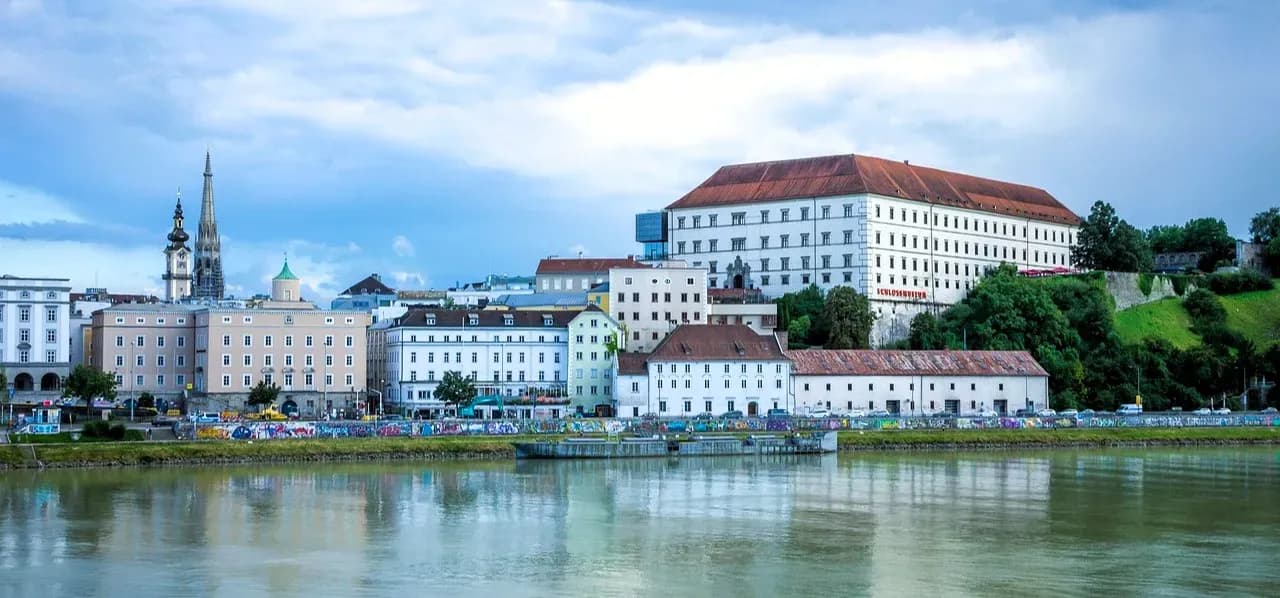
Linz’s tech salary landscape reflects its strong industrial base combined with a growing software, automation, and research-driven economy. Salaries are generally slightly below Vienna’s top-end figures but remain very competitive when adjusted for Linz’s lower cost of living. This balance makes the city particularly attractive for professionals seeking financial stability and long-term career growth rather than maximum headline pay.
The figures below reflect gross annual salaries and are based on aggregated data from Austrian salary platforms, recruitment reports, and national statistics.
Salary Ranges by Experience Level
Entry-Level Tech Roles
Professionals at the beginning of their careers, typically with up to two years of experience, can expect salaries in the following ranges:
- Junior Software Developer or IT Consultant: €40,000 to €48,000
- Junior Data Analyst: €42,000 to €50,000
- IT Support or Systems Administrator: €38,000 to €45,000
These salaries align closely with the Austrian national average for junior tech roles, while living costs in Linz are lower than in Vienna. According to data from StepStone Austria and Kununu, Upper Austria remains one of the strongest regions for early-career engineering and IT employment due to its concentration of industrial employers and SMEs.
Mid-Level Tech Roles
With three to six years of experience, professionals in Linz typically see a noticeable salary increase:
- Software Developer or Engineer: €55,000 to €70,000
- Data Analyst or Data Engineer: €58,000 to €72,000
- DevOps Engineer or Cloud Specialist: €60,000 to €75,000
Mid-level salaries in Linz benefit from strong demand in automation, manufacturing IT, and applied digital solutions. Reports from Kununu and Glassdoor Austria indicate that Upper Austrian tech salaries often outperform the national average in engineering-heavy roles, especially where software meets industrial processes.
Senior and Specialist Roles
Senior professionals with leadership responsibilities or niche expertise command significantly higher compensation:
- Senior Software Engineer or Architect: €75,000 to €95,000
- Senior DevOps or Cloud Architect: €80,000 to €100,000
- IT Project Manager or Technical Lead: €70,000 to €90,000
In highly specialized roles such as AI engineering, industrial IoT, or advanced automation, salaries can exceed these ranges, particularly within large industrial groups or international employers based in Upper Austria.
Comparison with National and International Tech Hubs
Compared to the Austrian Average
Across Austria, the average gross salary for IT professionals sits around €55,000 to €60,000 per year depending on role and experience. Linz aligns closely with this figure and often exceeds it in engineering-focused positions. When adjusted for housing and daily expenses, disposable income in Linz can rival or surpass that of Vienna-based professionals.
Compared to Vienna
Vienna typically offers salaries around 5 to 10 percent higher for similar tech roles. However, higher rent and living costs reduce the real income gap. For professionals prioritizing affordability, shorter commutes, and stability, Linz often delivers better overall value.
Compared to Major European Tech Hubs
Salaries in Linz are lower than in cities such as Zurich, London, or Amsterdam. That said, those markets also come with significantly higher living costs and more competitive environments. Linz positions itself as a strong alternative for professionals who value work-life balance, predictable expenses, and long-term career security within Europe.
Overall, Linz offers solid and reliable tech salaries supported by a resilient regional economy. Combined with lower living costs, strong social security, and a high quality of life, the city stands out as a financially sensible choice for both early-career professionals and experienced specialists.
Family-Friendliness in Linz
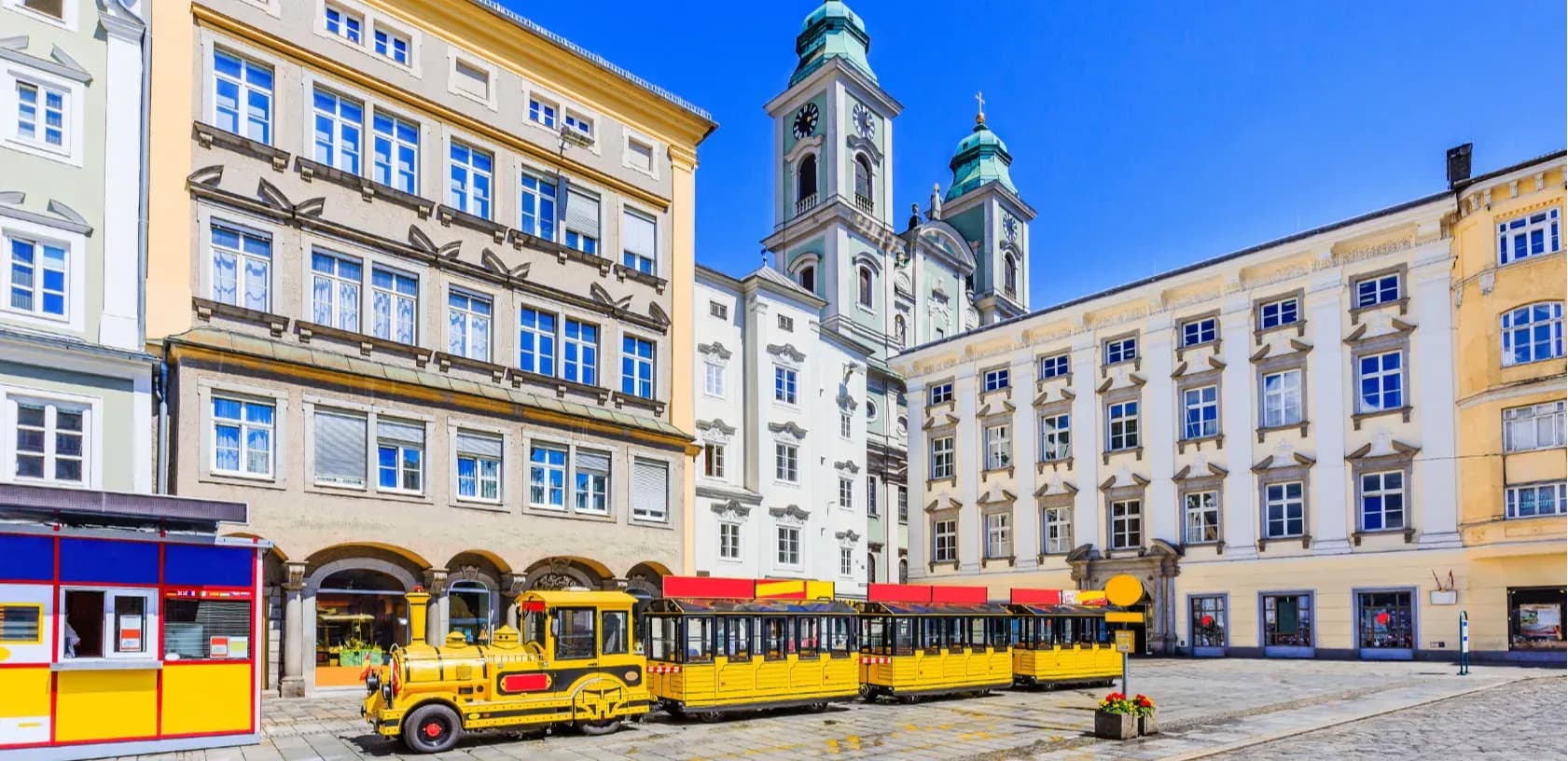
Linz is widely regarded as one of Austria’s most family-friendly mid-sized cities. Its compact layout, strong public services, and emphasis on safety and education make day-to-day life manageable for families while still offering diverse opportunities for children and parents alike. For professionals relocating with children, Linz combines reliable infrastructure with a calm, supportive environment.
Overview of Family Services
Education and Schooling
Linz provides a broad range of public and private education options. Public schools in Austria are well funded and follow a standardized national curriculum, with strong performance in mathematics, sciences, and vocational education. Families relocating from abroad can benefit from transition and language support programs integrated into many schools.
For international families, the Linz International School Auhof offers English-language education following an international curriculum, making it a popular choice among expats and internationally mobile professionals. Upper Austria also places strong emphasis on vocational and technical education, which becomes particularly relevant for older children.
Official information on schooling and education can be found via the City of Linz and Upper Austrian authorities:
Childcare and Kindergartens
Linz has a dense network of public and private kindergartens and childcare centers. Many facilities offer full-day care, early drop-off options, and flexible schedules to support working parents. Costs are partially subsidized by the city and the federal state, keeping childcare more affordable than in many other European countries.
Details on childcare services and registration are available through the city’s official family services portal:
Healthcare and Medical Services
Austria’s universal healthcare system ensures that families in Linz have access to high-quality medical care. Pediatricians, family doctors, and specialist clinics are widely available, and hospitals such as Kepler University Hospital provide comprehensive services. Mandatory health insurance covers children automatically when registered with a parent.
Healthcare standards in Upper Austria consistently rank among the highest nationally, contributing to Linz’s reputation as a safe and secure place to raise children.
Appealing Features for Families
Green Spaces and Outdoor Activities
Linz offers extensive green areas that are well integrated into the urban environment. Parks along the Danube, neighborhood playgrounds, and nearby hills provide daily opportunities for outdoor play and family activities. The Pöstlingberg area is especially popular for weekend outings, combining nature, views, and child-friendly attractions.
Family-Friendly Attractions
The city invests heavily in cultural and recreational offerings for children. Highlights include:
- Zoo Linz, a small but well-maintained zoo ideal for younger children
- The Grottenbahn on Pöstlingberg, a fairytale-style attraction that is especially popular with families
- Museums and science-focused venues offering interactive exhibitions for children and teenagers
Safety and Everyday Comfort
Linz consistently ranks as a safe city with low crime rates, particularly in residential districts popular with families. Streets are clean, public transport is reliable, and most neighborhoods are designed with pedestrians and cyclists in mind. These factors allow children greater independence while giving parents peace of mind.
Family-Oriented Neighborhoods
Areas such as Urfahr, Pöstlingberg, and outer residential districts are especially popular with families due to larger apartments, proximity to schools and kindergartens, and easy access to parks. Short commute times mean parents can balance professional responsibilities with family life more easily than in larger metropolitan areas.
Overall, Linz offers a supportive and structured environment for families, combining high-quality education, affordable childcare, excellent healthcare, and safe neighborhoods. For professionals relocating with children, the city provides a stable foundation for both career development and family well-being.
Relocation Resources for Linz
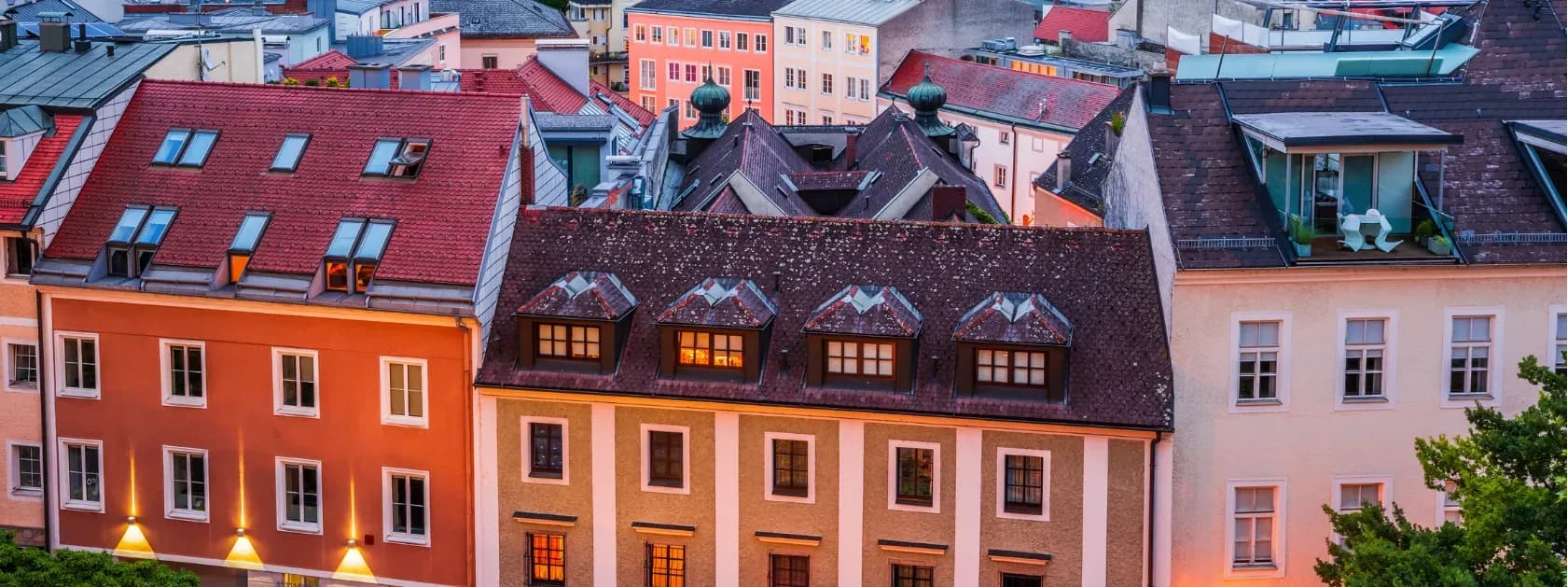
Relocating to Linz is generally straightforward thanks to Austria’s well-organized administrative systems and the city’s experience with international professionals. From short-term accommodation to long-term housing and official registration, several reliable resources help newcomers settle efficiently.
Housing and Relocation Services
Short-Term Accommodation
Short-term rentals are commonly used by professionals during their first weeks or months in Linz while searching for permanent housing. Furnished apartments are widely available and often include utilities and internet, making them convenient for immediate relocation.
-
Austria’s largest online marketplace, widely used for short-term and long-term rentals. Listings are updated daily and cover all districts of Linz, from city-center apartments to family homes in residential areas.
-
Frequently used for initial stays of a few weeks. While more expensive than long-term rentals, it provides flexibility and immediate availability for newcomers.
Long-Term Rentals
Long-term housing in Linz is typically rented unfurnished, with contracts starting from one year. Demand is steady but less competitive than in Vienna, which allows more time and choice for apartment hunting.
-
https://www.immobilienscout24.at
One of Austria’s most established real estate platforms, offering a wide range of rental apartments and houses in Linz and Upper Austria. Filters make it easy to search by budget, size, and neighborhood.
-
https://www.derstandard.at/immobilien
A trusted source for private and agency listings, often used by locals. This platform is particularly useful for finding well-maintained apartments in central and residential districts.
Relocation and Integration Support
For international professionals, official relocation guidance can significantly simplify administrative steps such as residence registration, health insurance, and family services.
-
The official City of Linz website provides English-language information on registration, housing, schooling, childcare, and daily life. It is a key starting point for administrative planning.
-
Upper Austria’s official regional portal offers broader information on living, working, and settling in the region, including practical guides for internationals.
Registration and Administrative Essentials
After arrival, residents must register their address at the local registration office. EU and non-EU citizens have different requirements, but procedures are clearly defined and efficiently handled.
Key steps typically include:
- Registering a residential address within three days of moving in
- Applying for a registration certificate or residence permit if required
- Enrolling in Austria’s health insurance system
- Registering children for school or childcare if applicable
Clear guidance for these steps is available via the City of Linz and federal government portals, reducing uncertainty for newcomers.
Overall, Linz offers clear, reliable relocation pathways supported by strong public institutions and transparent housing markets. For professionals and families alike, the availability of trusted platforms and official English-language resources makes settling into the city both manageable and predictable.
Job Market and Taxes in Linz
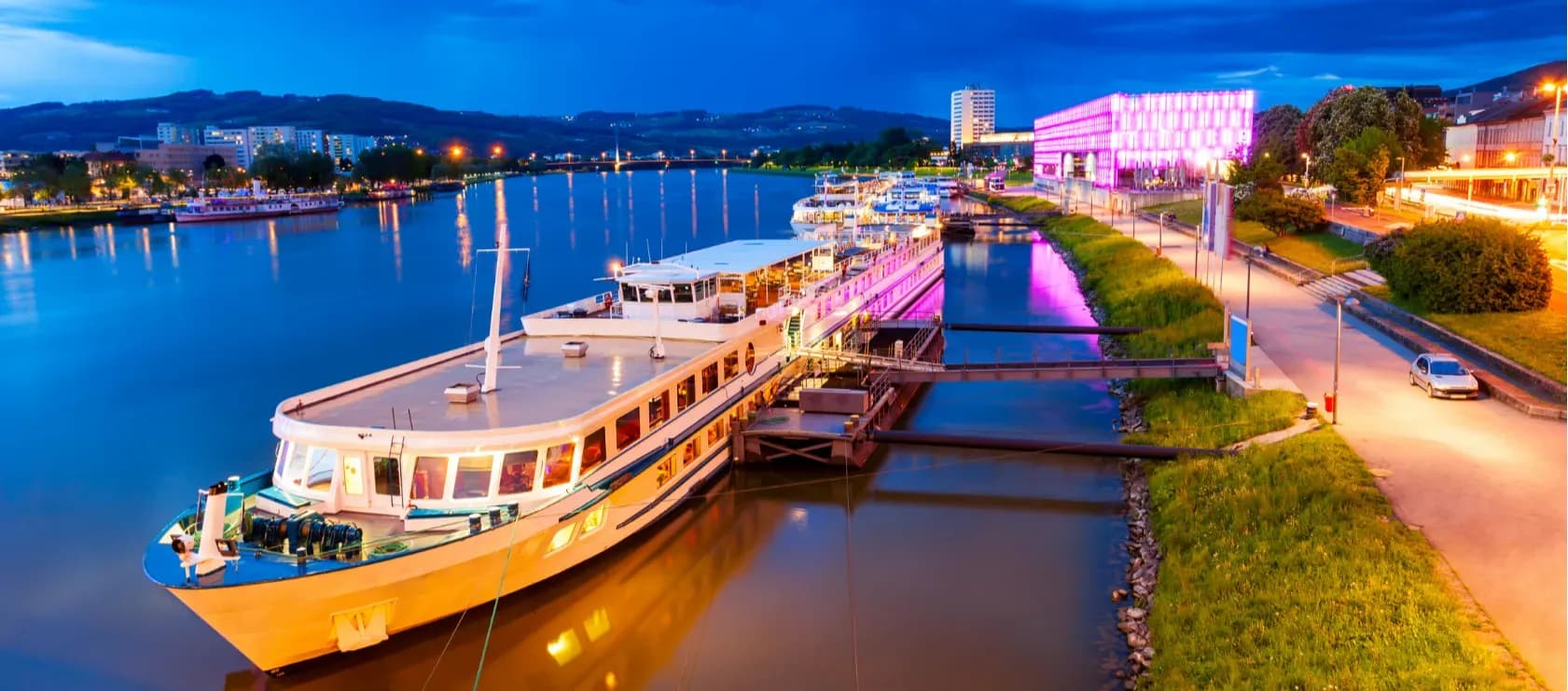
Linz’s job market is shaped by its strong industrial heritage and growing demand for digital expertise. For professionals in tech, engineering, and applied sciences, the city offers a stable employment environment supported by international companies, innovative SMEs, and research-driven institutions. Combined with Austria’s transparent tax system and comprehensive social security, Linz provides a clear framework for long-term career planning.
Current Job Openings
Professionals considering a move to Linz are encouraged to explore current opportunities exclusively via TieTalent. The platform focuses on high-quality roles in tech, data, engineering, and digital innovation, making it particularly relevant for international and senior professionals.
Open positions can be explored here:
The job market in Linz is especially strong in software development, automation, industrial IT, data analytics, DevOps, and engineering-related tech roles. Employers value practical experience, applied problem-solving skills, and increasingly, international perspectives.
Income Tax Overview in Austria
Austria applies a progressive income tax system, meaning higher portions of income are taxed at higher rates. For employees, income tax is withheld directly from the monthly salary via payroll, which makes taxation predictable and administratively simple once employed.
Tax brackets are adjusted regularly to account for inflation, so the figures below should be understood as up-to-date, orientative thresholds rather than fixed long-term values.
Orientative Income Tax Brackets (Austria)
The following marginal tax rates apply to annual gross taxable income:
- Up to approx. €13,300: 0 percent (tax-free allowance)
- €13,300 to €21,600: 20 percent
- €21,600 to €35,800: 30 percent
- €35,800 to €69,100: 40 percent
- €69,100 to €103,000: 48 percent
- €103,000 to €1,000,000: 50 percent
- Above €1,000,000: 55 percent (highest marginal rate)
These are marginal rates, meaning each percentage applies only to the portion of income within that bracket, not to the full salary. For example, someone earning €60,000 does not pay 40 percent on their entire income, only on the portion that falls within the 40 percent band.
Social Security Contributions
In addition to income tax, employees in Austria pay mandatory social security contributions, which are automatically deducted from salaries. These contributions are shared between employee and employer and fund:
- Public healthcare
- State pensions
- Unemployment insurance
- Accident and disability insurance
For employees, social security typically represents a significant but predictable deduction. In return, residents benefit from comprehensive healthcare coverage, strong income protection in case of unemployment or illness, family benefits, and a reliable public pension system.
Overall, Linz combines a reliable job market with a predictable tax environment. For tech professionals and families alike, this stability supports confident relocation decisions and long-term financial planning.
Featured Articles: