
Career AdvancementCareer Cushioning Explained: Why Professionals Are Quietly Preparing Exit Plans
Moving to Denver, Colorado, USA

Welcome to Denver: The Mile-High City Where Innovation Meets the Rockies
Denver, the capital of Colorado, stands at the foot of the Rocky Mountains and has become one of the fastest-growing tech and business hubs in the United States. Known as the “Mile-High City” because it sits exactly 5,280 feet (1,609 meters) above sea level, Denver blends outdoor adventure, entrepreneurial energy, and a high quality of life that attracts professionals from across the country and around the world.
With a population of about 715,000 residents in the city and nearly 3 million across the metropolitan area, Denver has transformed from a historic mining town into a modern innovation center. According to the Denver Metro Chamber of Commerce, the region hosts over 10,000 tech companies and startups, making technology one of the city’s fastest-growing industries. Major sectors include software development, cybersecurity, cloud computing, aerospace, artificial intelligence, and fintech.
Global companies and fast-scaling startups alike operate in the Denver area. Tech professionals can find opportunities with major employers such as Lockheed Martin, Oracle, Amazon, Google, and Salesforce, alongside a thriving startup ecosystem. The nearby city of Boulder strengthens the regional tech scene even further, creating what many call the “Colorado Tech Corridor.” Data from CompTIA’s State of the Tech Workforce report regularly ranks Colorado among the top U.S. states for tech employment growth.
Beyond career opportunities, Denver’s lifestyle is one of its strongest selling points. The city consistently ranks among the best places to live in the United States, thanks to its mix of economic opportunity, outdoor access, and vibrant urban culture. Residents enjoy more than 300 days of sunshine per year, easy access to world-class skiing and hiking in the Rockies, and a lively downtown filled with restaurants, breweries, music venues, and cultural attractions.
For professionals considering relocation, Denver offers a compelling balance between career advancement and personal wellbeing. Commutes are relatively manageable compared to larger tech hubs like San Francisco or New York, and the city invests heavily in infrastructure, public transportation, and green spaces. According to the U.S. Bureau of Economic Analysis, Colorado’s economy has consistently outpaced the national growth rate over the past decade, reinforcing Denver’s reputation as a stable and opportunity-rich place to build a career.
Diversity and inclusivity are also central to Denver’s appeal. The city has a welcoming atmosphere with strong international communities, active professional networks, and numerous tech meetups and innovation events throughout the year. Initiatives supported by the Colorado Office of Economic Development and International Trade continue to attract entrepreneurs, investors, and skilled professionals from across the globe.
All these factors make Denver an exciting destination for anyone seeking a dynamic career environment combined with exceptional lifestyle perks. Whether building a tech career, launching a startup, or simply looking for a city that combines professional growth with mountain-side living, Denver offers a unique blend of opportunity, innovation, and adventure.
Lifestyle and Culture
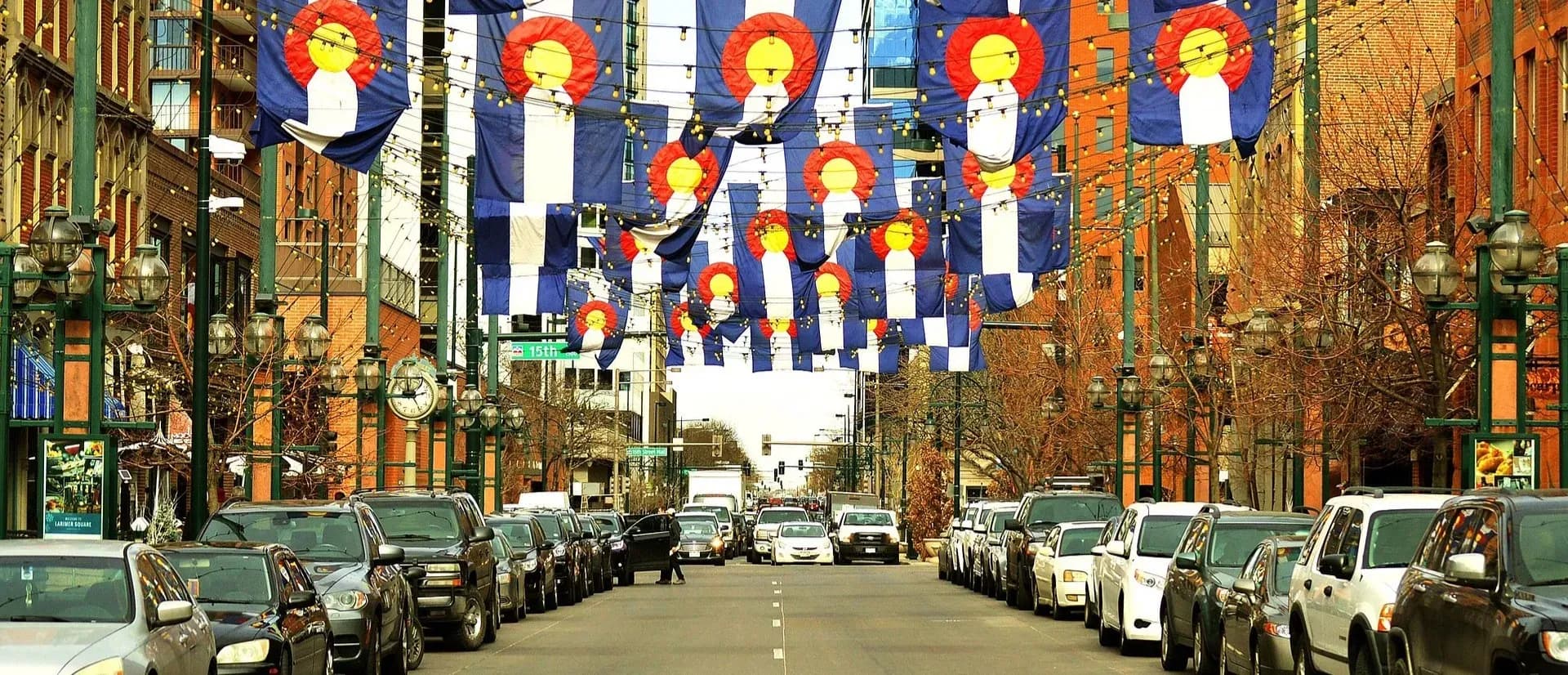
City Lifestyle
Denver offers a lifestyle that blends urban energy with outdoor adventure, making it one of the most appealing U.S. cities for professionals seeking balance between career and personal life. The pace of life is generally active, social, and health-oriented, influenced by Colorado’s strong outdoor culture.
Many residents start their mornings early with activities such as running, cycling, or hiking before work. The nearby Rocky Mountains are less than a two-hour drive away, allowing professionals to ski or snowboard in winter and hike, mountain bike, or camp during the warmer months. This outdoor accessibility shapes daily routines and contributes to Denver’s reputation for a strong work-life balance.
At the same time, the city maintains a vibrant urban atmosphere. Downtown and surrounding districts are full of craft breweries, coworking spaces, cafés, and live music venues, reflecting Denver’s growing population of entrepreneurs and tech workers. The city’s economy continues to attract startups and remote workers, creating a dynamic professional community with networking events and meetups throughout the year.
Socially, Denver tends to feel welcoming and community-driven. Despite being a large city, many residents describe it as big enough for culture and events but small enough to build strong local connections, often centered around neighborhood cafés, fitness communities, and outdoor groups.
Cultural Highlights and Attractions
Denver’s cultural scene is rich and diverse, offering everything from historic landmarks to contemporary art districts.
One of the city’s most iconic attractions is Red Rocks Amphitheatre, an open-air concert venue built into natural rock formations. It hosts world-famous musicians and large-scale events throughout the year, making it one of the most unique music venues in the world.
Art lovers often head to the Denver Art Museum, which features extensive collections of Indigenous art, modern exhibitions, and interactive installations. Nearby, the Golden Triangle Creative District is filled with galleries, museums, and creative spaces.
The River North Art District (RiNo) has become a cultural hotspot. Once an industrial warehouse area, RiNo has transformed into a hub for street art, galleries, craft breweries, and innovative restaurants, attracting artists, creatives, and young professionals.
Denver also celebrates culture through numerous festivals and events throughout the year. Popular examples include:
- Denver Chalk Art Festival, where hundreds of artists create colorful street murals.
- Denver Fringe Festival, featuring independent theatre and performing arts.
- Denver Greek Festival, celebrating Mediterranean food, music, and dance.
- VegFest Colorado, highlighting plant-based cuisine and sustainability.
These events reflect the city’s multicultural character and vibrant arts community.
Popular Neighborhoods
Denver is a city of diverse neighborhoods, each offering a different lifestyle. Several districts stand out for professionals relocating for work as well as families seeking a comfortable environment.
River North Art District (RiNo)
RiNo is one of Denver’s fastest-evolving neighborhoods. Former industrial warehouses have been converted into modern lofts, coworking spaces, breweries, and art studios. Street murals decorate entire blocks, giving the district a creative and energetic feel.
The area attracts startups, freelancers, and young professionals thanks to its vibrant nightlife and proximity to downtown. RiNo is also highly walkable and well connected by public transportation.
Lower Downtown (LoDo)
Lower Downtown, commonly called LoDo, is Denver’s historic core and one of the most urban neighborhoods in the city. Old brick warehouses now house tech offices, rooftop bars, restaurants, and modern apartments.
Living in LoDo means easy access to major offices, coworking spaces, and Denver’s main transport hub at Union Station. The neighborhood is particularly attractive for professionals who prefer a central, walkable city lifestyle with active nightlife.
Capitol Hill
Capitol Hill is one of Denver’s most vibrant and historic neighborhoods. Known locally as “Cap Hill,” the area features historic buildings, music venues, coffee shops, and art spaces, giving it a youthful and creative atmosphere.
Its central location and lively social scene make it a favorite among young professionals and creatives, while nearby cultural landmarks such as the Colorado State Capitol and the Molly Brown House Museum add historical character.
Highland (LoHi)
The Lower Highland district, often called LoHi, offers a stylish yet relaxed residential atmosphere. Located just northwest of downtown, it combines modern apartments with charming older homes.
The neighborhood is particularly known for its food scene, brunch cafés, wine bars, and local markets, making it a popular choice for professionals who want a quieter residential feel while remaining close to the city center.
Washington Park
Washington Park, often called “Wash Park,” is one of Denver’s most beloved neighborhoods for families and outdoor enthusiasts. The area is built around a large park featuring lakes, jogging paths, gardens, and sports facilities.
Residents enjoy a community-focused atmosphere, green spaces, and family-friendly housing, while still being only a short commute from downtown Denver.
Denver’s lifestyle ultimately stands out because it successfully combines professional opportunity, vibrant culture, and easy access to nature. For many professionals relocating to the city, the ability to work in a thriving tech environment while spending weekends hiking or skiing in the mountains is one of Denver’s biggest advantages.
Cost of Living
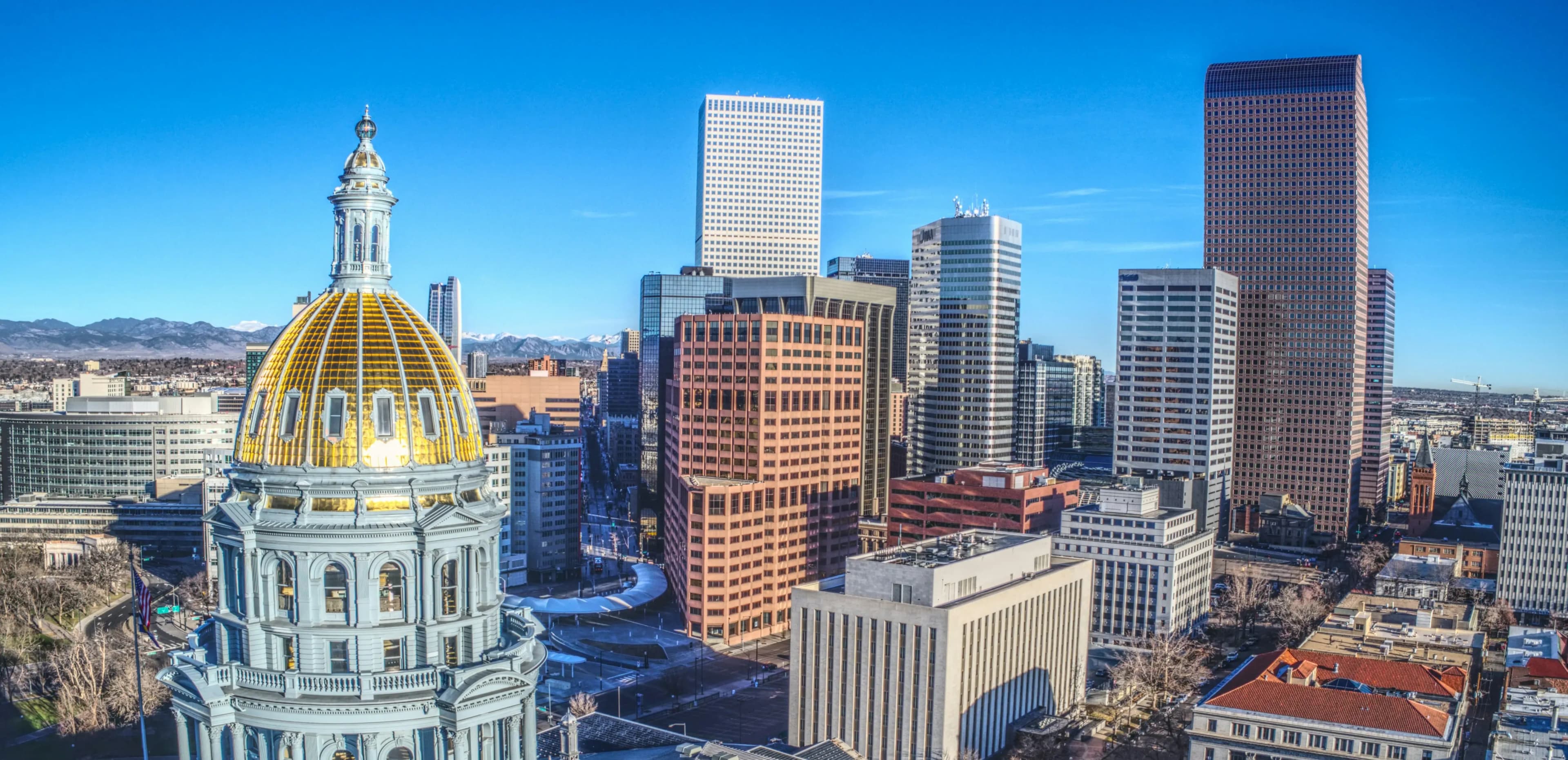
Relocating to Denver offers many professional opportunities and an attractive lifestyle, but understanding the cost of living is essential before making the move. Compared with many U.S. cities, Denver sits above the national average in overall living costs, mainly due to housing demand and rapid population growth over the past decade. However, it remains significantly more affordable than major coastal tech hubs like San Francisco, Seattle, or New York.
According to the U.S. Bureau of Economic Analysis and cost-of-living platforms such as Numbeo and Zillow, Denver’s living costs are driven largely by housing, while everyday expenses such as transportation and food remain closer to national averages.
Breakdown of Major Expenses
Housing
Housing represents the largest expense for most residents. Denver’s strong job market and growing population have pushed property prices upward over the past decade.
- Average rent for a one-bedroom apartment in the city center: approximately $1,900–$2,200 per month
- Average rent for a one-bedroom apartment outside the center: about $1,500–$1,800 per month
- Average home price in Denver: around $560,000–$600,000
These figures are supported by housing market reports from Zillow and rental data from Numbeo.
For professionals relocating to the city, many modern apartment complexes also offer coworking spaces, gyms, and rooftop areas, which can add value but sometimes increase rent prices.
Utilities
Utilities in Denver are relatively moderate compared with other large U.S. cities.
Typical monthly costs for a standard apartment (electricity, heating, cooling, water, and garbage) are around $150–$200 per month. Internet services usually cost $60–$80 monthly, depending on speed and provider.
Because of Denver’s high altitude and sunny climate, heating and cooling costs can vary significantly depending on the season.
Transportation
Denver offers several transportation options including buses, light rail, commuter trains, and bike lanes. The city’s transit system is operated by the Regional Transportation District (RTD).
Typical costs include:
- Local public transport ticket: about $3.00
- Monthly public transport pass: approximately $114
- Gasoline: roughly $3.70 per gallon (prices fluctuate)
Public transit prices are available through RTD’s official fare information.
Many professionals still rely on cars due to Denver’s spread-out metropolitan area, although downtown neighborhoods are increasingly walkable and bike-friendly.
Food and Groceries
Food costs in Denver are slightly above the national average but still manageable for most professionals.
Examples of typical grocery prices:
- Milk (1 liter): about $1.10
- Bread (500g loaf): around $3.50
- Eggs (12): about $4.00
- Chicken breast (1 kg): roughly $13–$15
Dining out varies depending on the restaurant type:
- Meal at an inexpensive restaurant: $18–$22
- Three-course meal for two at a mid-range restaurant: $70–$90
Denver’s strong food scene means residents have access to a wide range of cuisines, from casual food trucks to high-end dining.
Healthcare and Insurance
Healthcare costs in the United States are generally high compared to many other countries. In Denver, employer-sponsored health insurance is common for full-time employees.
Average monthly premiums for individual health insurance plans can range between $400 and $600, depending on coverage and employer contributions.
Professionals relocating through an employer often receive partial or full health insurance coverage as part of their compensation package.
Entertainment and Leisure
Denver offers a wide variety of recreational activities, many of which are relatively affordable.
Typical entertainment costs include:
- Cinema ticket: $14–$17
- Gym membership: $40–$70 per month
- Craft beer at a local brewery: $6–$8
Outdoor activities are often inexpensive or free, particularly hiking, cycling, and exploring nearby state parks.
Comparison With Other Cities
Overall, Denver’s cost of living is estimated to be about 12–15% higher than the U.S. national average, according to data from PayScale’s Cost of Living Index.
Source: https://www.payscale.com/cost-of-living-calculator/Colorado-Denver
However, it remains significantly more affordable than major U.S. tech hubs:
- San Francisco: housing costs are often 70–80% higher
- New York City: rents typically double Denver’s prices
- Seattle: housing prices are roughly 30–40% higher
At the same time, Denver is more expensive than many mid-sized U.S. cities such as Phoenix or Dallas.
For professionals in tech and innovation industries, Denver often strikes a balanced equation between salary potential and living costs. The city provides access to strong job markets and a high quality of life without the extreme housing prices seen in the largest technology centers.
Average Salaries in Tech
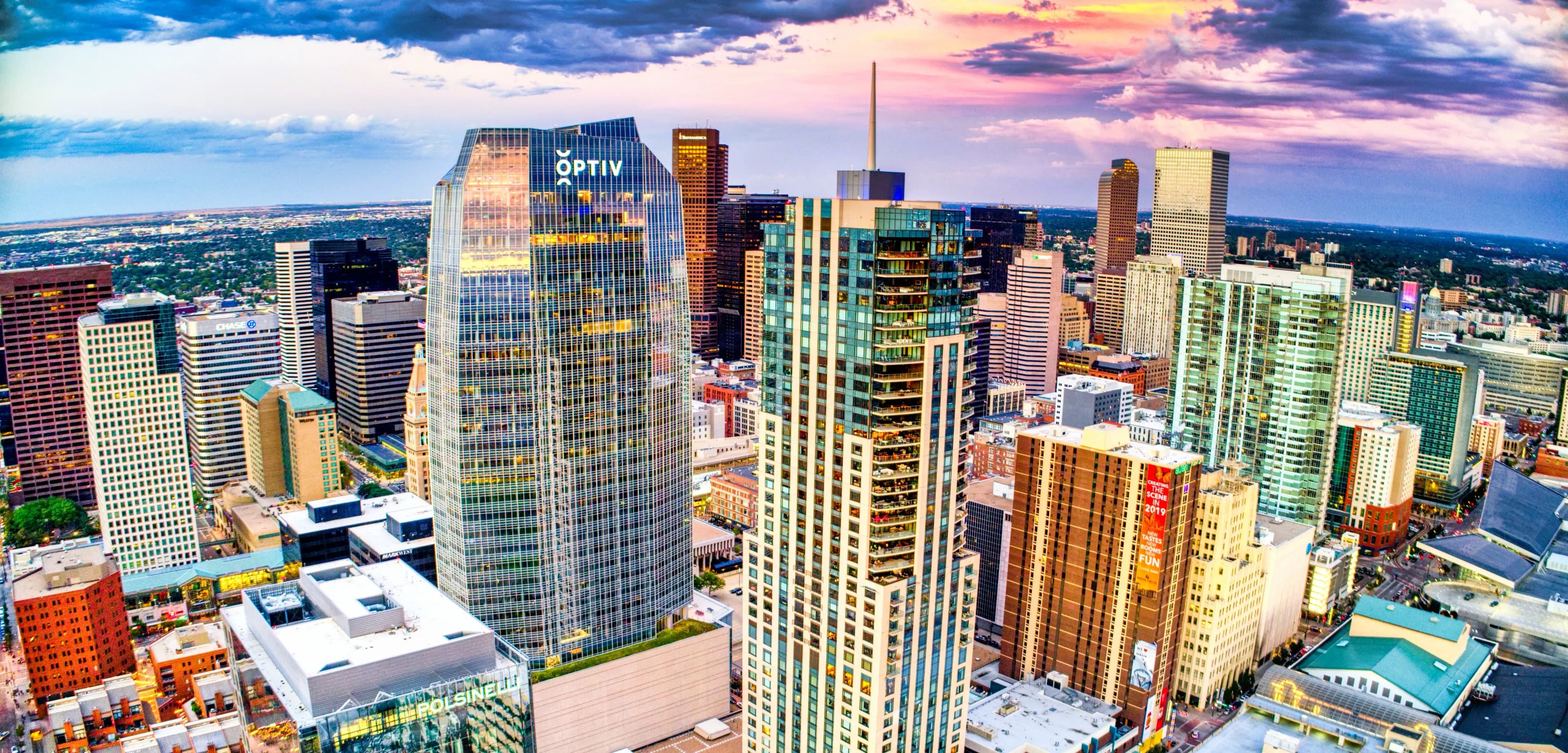
Denver has become one of the most important tech hubs in the United States outside of Silicon Valley. The city’s fast-growing startup ecosystem, combined with the presence of global technology companies, has created strong demand for skilled professionals in software engineering, cloud computing, cybersecurity, and data science.
According to data from the U.S. Bureau of Labor Statistics, CompTIA’s State of the Tech Workforce, and salary platforms such as Glassdoor and Built In Colorado, the Denver metro area employs over 120,000 technology workers, with continued job growth expected in the coming years.
This demand has pushed salaries upward, making Denver an attractive destination for tech professionals seeking competitive pay combined with a high quality of life.
Salary Ranges
Tech salaries in Denver vary depending on experience level, specialization, and company size. Large tech companies and well-funded startups typically offer higher compensation packages that may also include bonuses, stock options, or equity.
Entry-Level Tech Roles
Entry-level professionals with less than two years of experience can expect competitive starting salaries, particularly in software development and data-related roles.
Typical salary ranges:
- Software Developer / Junior Engineer: $75,000 – $95,000 per year
- Data Analyst: $65,000 – $85,000 per year
- IT Support Specialist: $55,000 – $70,000 per year
- Junior DevOps Engineer: $80,000 – $95,000 per year
According to Built In Colorado, the average salary for a junior software engineer in Denver sits around $88,000 annually.
Mid-Level Tech Roles
Professionals with three to seven years of experience typically see significant salary increases as they take on more responsibility and technical specialization.
Typical salary ranges:
- Software Engineer: $100,000 – $130,000 per year
- Data Scientist: $110,000 – $135,000 per year
- DevOps Engineer: $115,000 – $140,000 per year
- Cloud Engineer: $115,000 – $145,000 per year
Glassdoor reports that the average software engineer salary in Denver is approximately $115,000 per year, often supplemented by bonuses or profit sharing.
Senior and Specialized Roles
Senior professionals and specialists in fields like artificial intelligence, cybersecurity, and cloud architecture command significantly higher salaries.
Typical salary ranges:
- Senior Software Engineer: $140,000 – $170,000+ per year
- Machine Learning Engineer: $150,000 – $185,000 per year
- Cybersecurity Engineer: $130,000 – $165,000 per year
- Engineering Manager or Tech Lead: $160,000 – $200,000+ per year
These roles often include additional compensation such as performance bonuses, equity, and signing incentives, particularly within high-growth startups and major tech companies operating in the Denver–Boulder tech corridor.
Comparison With National and Global Tech Salaries
When compared with the national U.S. average, Denver’s tech salaries are very competitive but slightly lower than those in the most expensive tech cities.
For example:
- The average U.S. software developer salary is approximately $124,000, according to the U.S. Bureau of Labor Statistics.
- Denver averages slightly below that figure, largely because the cost of living remains lower than cities such as San Francisco or Seattle.
However, Denver’s salary-to-cost-of-living ratio is often considered more favorable than many major tech hubs. While San Francisco salaries can exceed $160,000 for mid-level engineers, housing costs there can be two to three times higher than in Denver.
Compared internationally, Denver salaries are also attractive:
- Higher than typical tech salaries in many European cities.
- Comparable to major North American tech hubs like Austin or Toronto.
Because of this balance, Denver has become particularly appealing for remote workers, startup founders, and engineers seeking strong salaries without the extreme living costs of coastal tech centers.
Family-Friendliness

Denver is widely considered a family-friendly city, offering strong education options, access to quality healthcare, and an abundance of parks and outdoor activities. For families relocating for work, the city combines urban amenities with easy access to nature, making it possible to maintain a healthy and active lifestyle.
The city has invested heavily in public infrastructure and community programs that support families. According to the City and County of Denver, the municipality maintains more than 250 parks and 85 miles of trails, providing children and parents with countless spaces for recreation and outdoor exploration.
Source: https://www.denvergov.org/Government/Agencies-Departments-Offices/Parks-Recreation
Overview of Family Services
Education and Schools
Denver offers a wide variety of educational options, including public schools, charter schools, private institutions, and international programs.
The city’s public school system is operated by Denver Public Schools (DPS), one of the largest school districts in Colorado. DPS manages more than 200 schools serving over 90,000 students, offering specialized programs in STEM, arts, and language immersion.
Several charter schools and magnet programs are also available, providing families with additional flexibility in choosing educational pathways.
For higher education, Denver is home to respected institutions such as:
- University of Colorado Denver
- Metropolitan State University of Denver
- University of Denver
These universities contribute to the city’s research ecosystem and offer strong pathways into the local tech workforce.
Families relocating internationally may also consider international and bilingual schools in the Denver metro area, which provide globally recognized curricula.
Healthcare
Denver has a strong healthcare infrastructure with several nationally recognized hospitals and medical centers.
Major healthcare institutions include:
- UCHealth University of Colorado Hospital
- Children’s Hospital Colorado
- Denver Health Medical Center
Children’s Hospital Colorado consistently ranks among the top pediatric hospitals in the United States and provides specialized care for young patients across the region.
Source: https://www.childrenscolorado.org/about/
The presence of major healthcare systems ensures that families have access to high-quality medical services, including pediatric care, emergency treatment, and specialized clinics.
Childcare and Early Education
Childcare services in Denver range from licensed daycare centers and preschools to in-home childcare providers.
The Colorado Department of Early Childhood regulates childcare facilities and offers resources to help families find licensed providers.
Average childcare costs can range between $1,300 and $1,800 per month, depending on the child’s age and the type of facility. While these costs are significant, many employers in Denver’s tech sector offer childcare benefits or flexible work arrangements to support working parents.
Appealing Features for Families
Parks and Outdoor Activities
One of Denver’s biggest advantages for families is its abundance of outdoor recreation opportunities.
Washington Park, City Park, and Sloan’s Lake Park are among the most popular green spaces in the city. These parks offer playgrounds, walking trails, lakes, sports fields, and picnic areas, making them ideal for family outings.
Denver’s location near the Rocky Mountains also allows families to enjoy weekend trips for skiing, hiking, camping, and wildlife exploration, encouraging an active lifestyle from an early age.
Museums and Educational Attractions
Denver provides many interactive learning experiences for children.
Popular family attractions include:
- Denver Museum of Nature & Science, known for its planetarium, dinosaur exhibits, and interactive science displays.
- Denver Zoo, home to more than 3,000 animals and conservation programs.
- Children’s Museum of Denver at Marsico Campus, offering hands-on exhibits designed for creativity and learning.
These institutions regularly organize educational programs and workshops that combine fun with learning.
Safe and Community-Oriented Neighborhoods
Several Denver neighborhoods are particularly appealing for families due to their schools, parks, and residential atmosphere.
Areas frequently chosen by families include:
- Washington Park – known for its green spaces and community feel
- Stapleton (Central Park) – planned community with parks, schools, and family amenities
- Highlands Ranch – suburban area with excellent schools and recreation centers
- Cherry Creek – upscale neighborhood with strong schools and shopping
Many of these neighborhoods offer access to playgrounds, biking trails, and family-oriented events throughout the year.
Denver’s combination of excellent outdoor access, strong education options, and high-quality healthcare makes it an appealing destination for families relocating for professional opportunities. The city’s focus on community spaces and active living ensures that both children and parents can enjoy a balanced and fulfilling lifestyle.
Relocation Resources
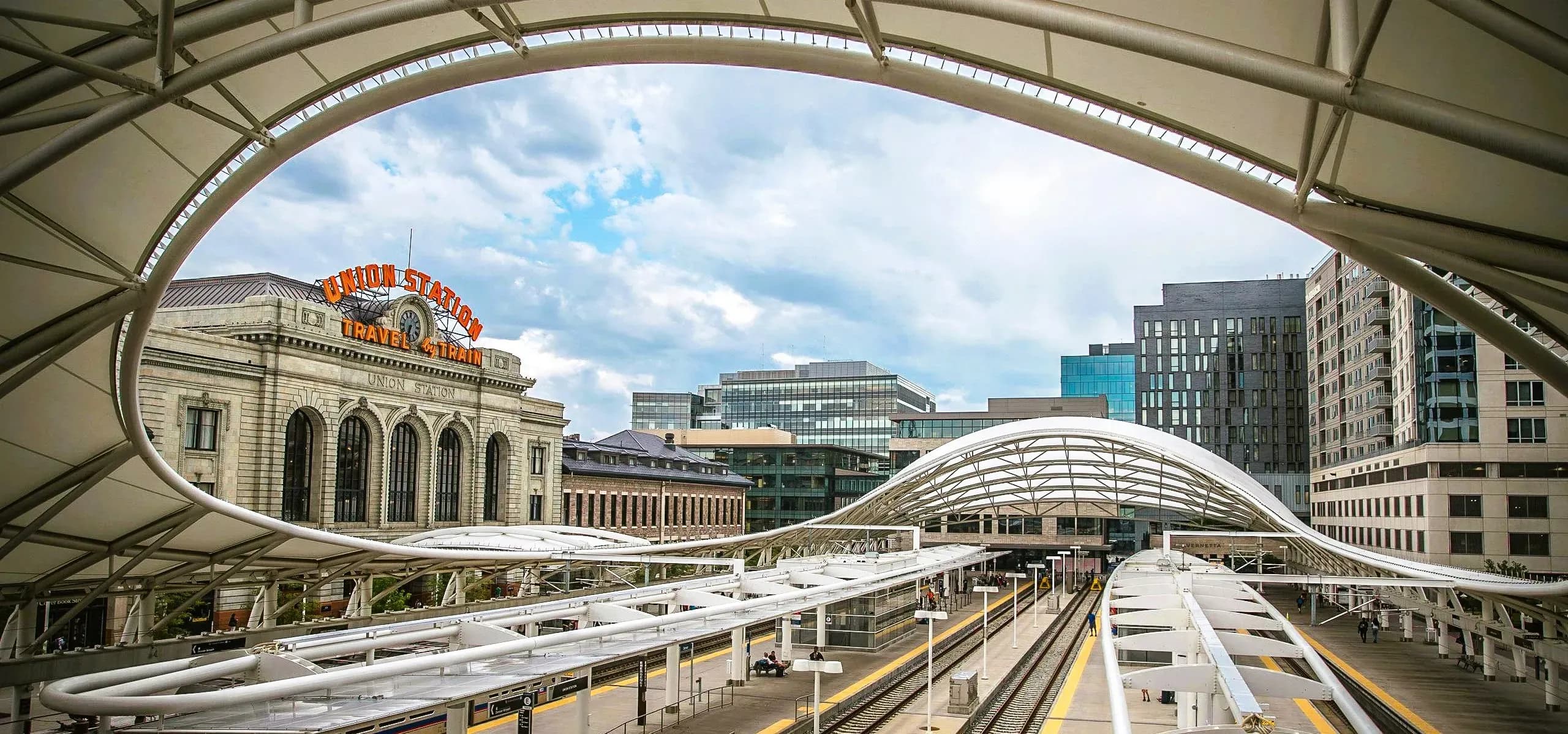
Relocating to Denver can be an exciting step for professionals and families, but having access to reliable housing platforms and relocation services makes the transition much smoother. The city’s growing population has created a competitive housing market, so using trusted websites and agencies can help newcomers secure accommodation and settle in efficiently.
Below are several reliable resources commonly used by people moving to Denver.
Housing and Relocation Services
Zillow
Zillow is one of the most widely used real estate platforms in the United States. It provides listings for apartments, houses, and condos for both rent and purchase.
The platform allows users to filter properties by price, neighborhood, property type, and amenities such as parking or pet-friendly policies. It also offers market insights and estimated property values that help newcomers understand Denver’s housing trends.
Search listings here: https://www.zillow.com/denver-co/
Apartments.com
Apartments.com is particularly useful for renters looking for apartments in Denver’s most popular neighborhoods such as LoDo, RiNo, and Capitol Hill.
Listings often include virtual tours, detailed floor plans, and information about building amenities like coworking spaces, fitness centers, and rooftop terraces. The site also provides neighborhood guides that help newcomers compare areas before signing a lease.
Browse rental listings: https://www.apartments.com/denver-co/
Realtor.com
Realtor.com focuses primarily on home purchases but also includes rental listings across the Denver metropolitan area.
The platform offers detailed housing market data and connects buyers with licensed real estate agents who can assist with property viewings, negotiations, and the closing process.
Explore homes for sale or rent: https://www.realtor.com/realestateandhomes-search/Denver_CO
Denver Relocation Guide
The Denver Relocation Guide is a comprehensive resource for people moving to the city. It includes information about neighborhoods, schools, housing options, transportation, and local services.
This guide is particularly helpful for professionals relocating with families because it provides insight into school districts, suburban communities, and lifestyle considerations.
Access the guide here: https://denverrelocationguide.com/
Denver Metro Chamber of Commerce
The Denver Metro Chamber of Commerce offers valuable information for newcomers, including resources about the local economy, business environment, and living in the region.
Professionals relocating for work can use the organization’s materials to better understand Denver’s business ecosystem and networking opportunities.
Visit the official site: https://www.denverchamber.org/
Tips for Finding Housing in Denver
Because Denver remains a highly desirable destination for professionals, the housing market can move quickly. Newcomers should keep a few practical tips in mind:
- Start searching early, ideally two to three months before moving.
- Consider temporary housing or short-term rentals while exploring neighborhoods in person.
- Explore neighborhoods beyond downtown to find better rental prices and larger homes.
- Work with a licensed real estate agent when purchasing property to navigate the competitive market.
Many relocation specialists also recommend visiting the city before committing to long-term housing, as neighborhood atmosphere can vary significantly across the Denver metro area.
Reliable housing platforms and relocation resources help professionals and families settle into Denver more smoothly. With the right preparation and trusted services, the transition to life in the Mile High City can be efficient and stress-free.
Job Market and Taxes
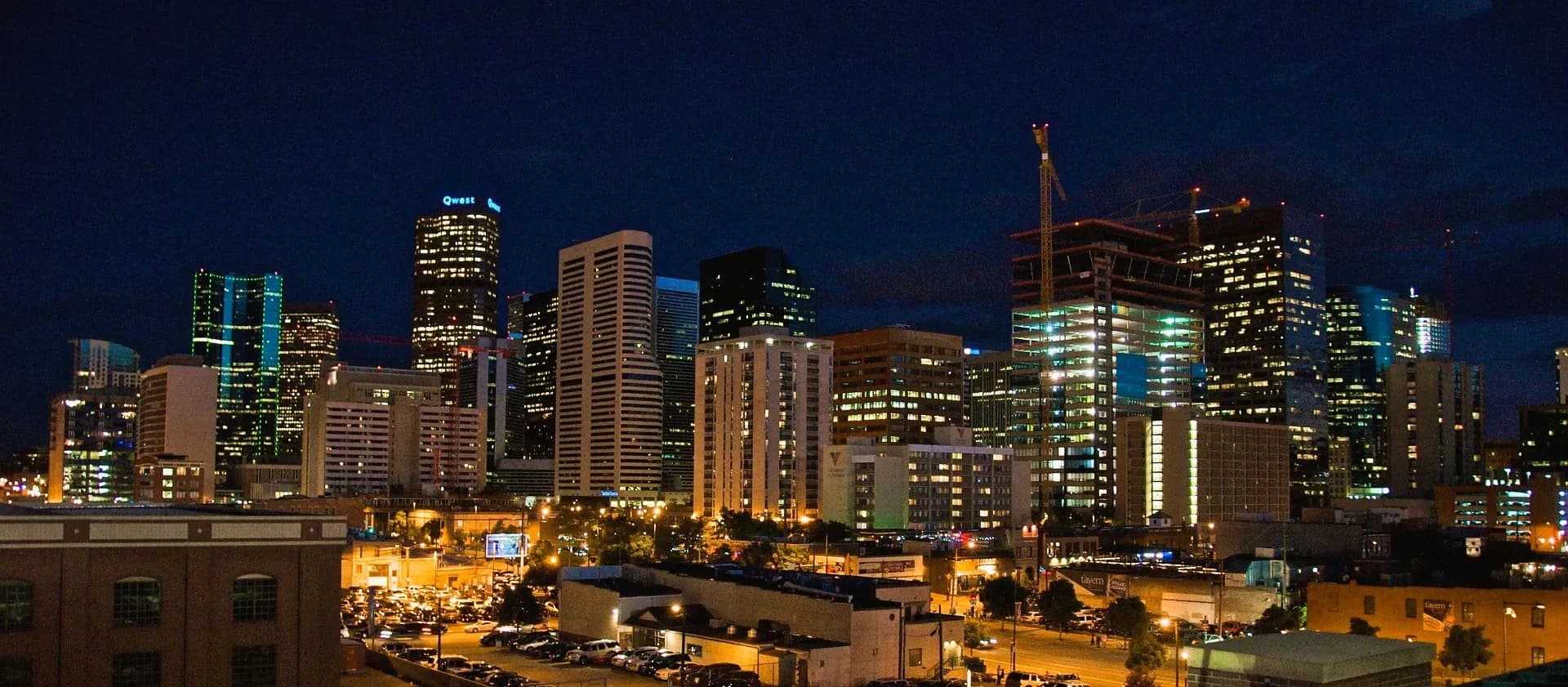
Denver has emerged as one of the most dynamic job markets in the United States, particularly in technology, aerospace, renewable energy, fintech, and cybersecurity. The city’s strong economy, expanding startup ecosystem, and steady influx of skilled workers have positioned it as a leading innovation hub in the American West.
According to the Colorado Office of Economic Development and International Trade, the Denver metropolitan region hosts thousands of technology companies and more than 120,000 tech workers, with continued growth driven by cloud computing, artificial intelligence, and digital infrastructure.
Major companies operating in the Denver area include global firms such as Amazon, Google, Lockheed Martin, and Oracle, alongside a vibrant startup community that continues to attract venture capital and entrepreneurial talent.
For professionals considering relocation, Denver’s diverse economy provides opportunities across many technical specialties including:
- Software development
- Data science and analytics
- DevOps and cloud engineering
- Cybersecurity
- Artificial intelligence and machine learning
Current Job Openings
Denver’s technology sector continues to expand, creating strong demand for skilled professionals at all experience levels. Engineers, analysts, and IT specialists are particularly sought after as companies scale their digital infrastructure and launch new products.
To explore current opportunities, browse available positions directly on TieTalent: https://tietalent.com/en/jobs
Income Tax Overview
Understanding the U.S. tax system is an important part of planning a relocation to Denver. Income taxes in the United States operate at three levels: federal, state, and sometimes local taxes.
Federal Income Tax
The federal government applies a progressive income tax system, meaning higher portions of income are taxed at higher rates. Federal tax brackets currently range from 10% to 37%, depending on annual income and filing status.
Employees typically have federal taxes automatically withheld from their paychecks by their employer.
More information can be found on the official IRS website: https://www.irs.gov
Colorado State Income Tax
In addition to federal taxes, residents of Colorado pay state income tax.
Colorado uses a flat state income tax rate of 4.4%, which applies to most taxable income earned by residents and workers in the state.
This rate is relatively moderate compared with other U.S. states, particularly when compared with high-tax states such as California or New York.
Source: https://tax.colorado.gov
Other Taxes to Consider
While Denver does not impose a separate city income tax, residents should be aware of other taxes that may affect their finances:
- Sales tax in Denver: approximately 8.81%, including state and local taxes
- Property taxes: generally lower than the U.S. national average, although rising property values have increased total property tax bills in recent years.
Overall, Denver offers a strong job market combined with relatively moderate tax rates compared with other major U.S. tech centers. For professionals in technology and innovation sectors, this balance can make the city an attractive place to grow a career while maintaining a high quality of life.
Featured Articles: