Career AdvancementCareer Cushioning Explained: Why Professionals Are Quietly Preparing Exit Plans
Moving to Cologne, Germany
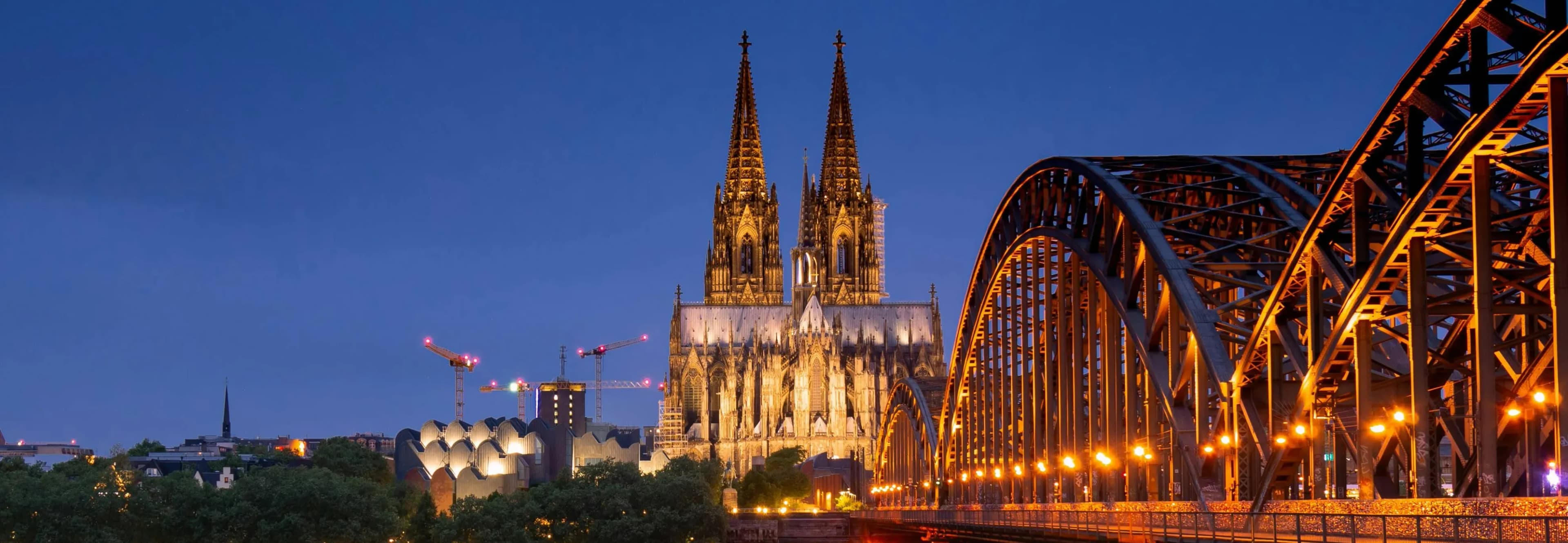
Welcome to Cologne: Where Innovation Meets Rhineland Warmth
Cologne, or Köln in German, is one of the country’s oldest cities and one of its most forward-looking urban economies. Located on the Rhine River in North Rhine-Westphalia, Germany’s most populous state, Cologne combines a strong technology and media ecosystem with a famously open, social lifestyle. With over one million residents, it is the fourth-largest city in Germany and a major economic engine for the wider Rhine-Ruhr metropolitan region.
Professionals relocating to Cologne benefit from a diversified economy anchored in IT, software development, media, telecommunications, e-commerce, automotive technology, and insurance. The city is home to major employers such as SAP, IBM, Microsoft, Ford Europe, RTL Group, and REWE Digital, alongside a fast-growing startup scene supported by accelerators and university research centers. According to Germany Trade & Invest, North Rhine-Westphalia is one of Europe’s strongest regions for foreign investment, particularly in digital industries and advanced services
Cologne’s appeal goes beyond jobs. The city is widely known for its excellent work-life balance, driven by Germany’s strong labor protections, generous vacation allowances, and flexible working models. Public transport is comprehensive, commuting times are reasonable by international standards, and the surrounding region offers quick access to nature, smaller towns, and other major cities like Düsseldorf, Bonn, and Frankfurt. This makes Cologne especially attractive for professionals who want career growth without sacrificing personal time.
Quality of life is another major draw. Cologne consistently ranks well in livability metrics due to its healthcare infrastructure, safety levels, cultural density, and international openness. Over 20 percent of residents have an international background, contributing to a diverse, welcoming atmosphere that makes settling in easier for newcomers
The city is also a major academic hub. Institutions such as the University of Cologne, one of Europe’s largest universities, and the Cologne University of Applied Sciences supply a steady pipeline of skilled graduates, fueling innovation and keeping the tech labor market dynamic
For people considering a move, Cologne offers a rare combination: a strong job market, competitive salaries relative to living costs, a relaxed social culture, and a sense of community that is deeply rooted in local traditions yet open to global talent. Whether the goal is career advancement in tech or a balanced lifestyle in a culturally rich city, Cologne stands out as a compelling relocation destination.
Lifestyle and Culture
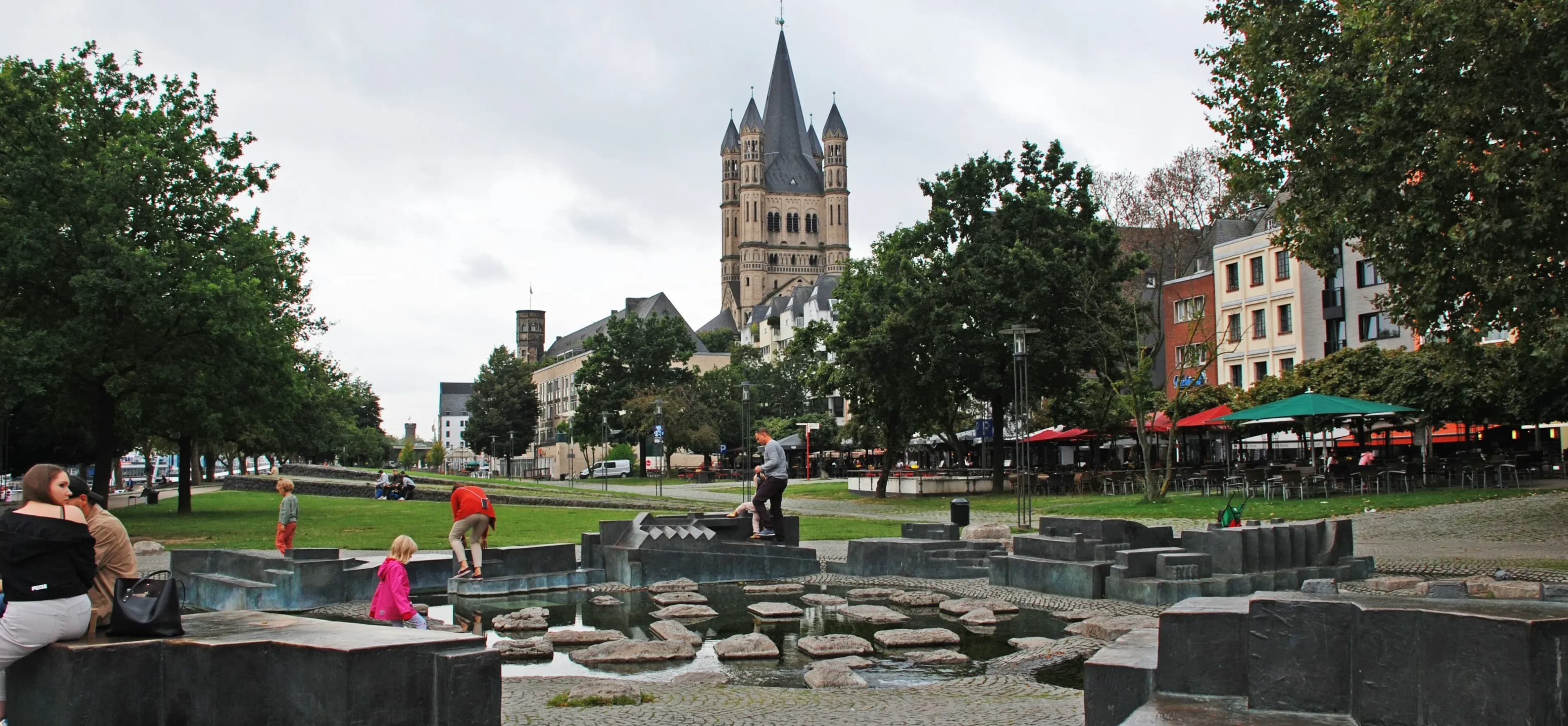
City Lifestyle
Cologne blends historical depth with a relaxed, modern urban vibe. Locals enjoy a balanced pace of life where work and leisure coexist seamlessly. The city’s culture emphasizes social connection, whether that means meeting friends at a traditional brewery, enjoying a concert, or wandering through riverfront parks. Public life is active year-round with daily cultural events, art exhibitions, concerts, theatre, readings, and festivals that reflect the city’s rich creative scene. Cologne’s residents also embrace its Büdchen culture, small kiosks where people gather for snacks or a local Kölsch beer on the go, symbolizing the city’s casual communal spirit.
Cologne is also known for its famously spirited Carnival, locally called the “fifth season.” Starting each year in November and peaking with street parades and celebrations in February or March, Carnival brings the entire city together in costume and festivity with the greeting Kölle Alaaf!, an expression of Cologne’s lively and inclusive culture.
Cultural Highlights and Attractions
Cologne is a major cultural hub in the Rhineland, hosting more than 30 museums, hundreds of galleries, and a dense calendar of artistic events.
Some of the most prominent cultural experiences include:
- Cologne Cathedral (Kölner Dom): This UNESCO World Heritage Site is the city’s most iconic landmark and a symbol of local identity.
- Museum Ludwig: Home to one of Europe’s most significant collections of modern art, including works by Picasso, Warhol, and Lichtenstein.
- Römisch-Germanisches Museum & Chocolate Museum: Explore Roman history and the fascinating production of chocolate at family-friendly museums.
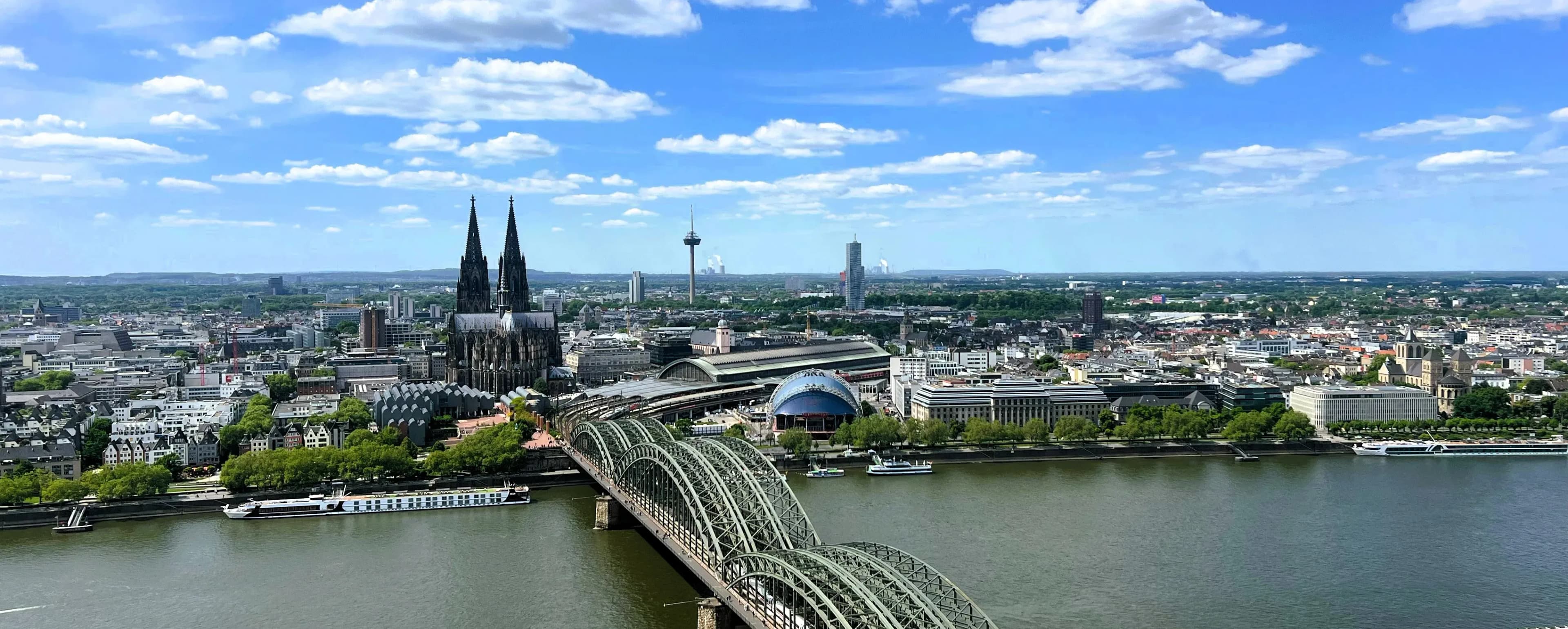
- Hohenzollern Bridge: A popular pedestrian crossing over the Rhine with views of the skyline and the cathedral.
- Performing Arts Venues: From the Palladium concert hall to the Musical Dome theatre, Cologne’s stage life offers concerts, musicals, and cultural performances.
Year-round festivals and cultural events make every season engaging, including summer music and arts festivals, ColognePride (CSD) in July, Wine Week at Heumarkt, and exhibitions at local galleries.
Outdoor culture thrives too. The Rheinpark, a 40-hectare riverside park, offers green space, performance venues, and views of the Rhine — ideal for picnics, exercise, and community events.
Popular Neighborhoods
Cologne’s neighborhoods (or Veedels) each have their distinct character and appeal, catering to different lifestyles and preferences.
- Belgian Quarter (Belgisches Viertel): Known for its trendy cafés, boutiques, galleries, and vibrant nightlife, this area is popular with young professionals and creatives seeking lively streets and easy socializing.
- Ehrenfeld: A multicultural, artistic district with street art, independent shops, and music venues. It’s ideal for those who appreciate eclectic culture and community energy.
- Old Town (Altstadt): Historic and charming with cobblestone streets, traditional beer halls, and scenic river views. Great for residents who enjoy heritage architecture and central walking access to amenities.
- Südstadt: A more relaxed, residential neighborhood known for its cafés and local pubs, perfect for families and professionals who prefer quieter streets but still want urban convenience.
Everyday Living and Social Life
Cologne’s social culture is friendly and inclusive, with many opportunities to meet people through neighborhood events, local markets, and social clubs. Whether savoring a glass of Kölsch beer with colleagues after work or joining weekend cultural outings, people in Cologne value community engagement, good food, and making time for leisure. Outdoor summer life along the Rhine promenade and in local parks further enhances the city’s approachable, relaxed lifestyle.
Cost of Living
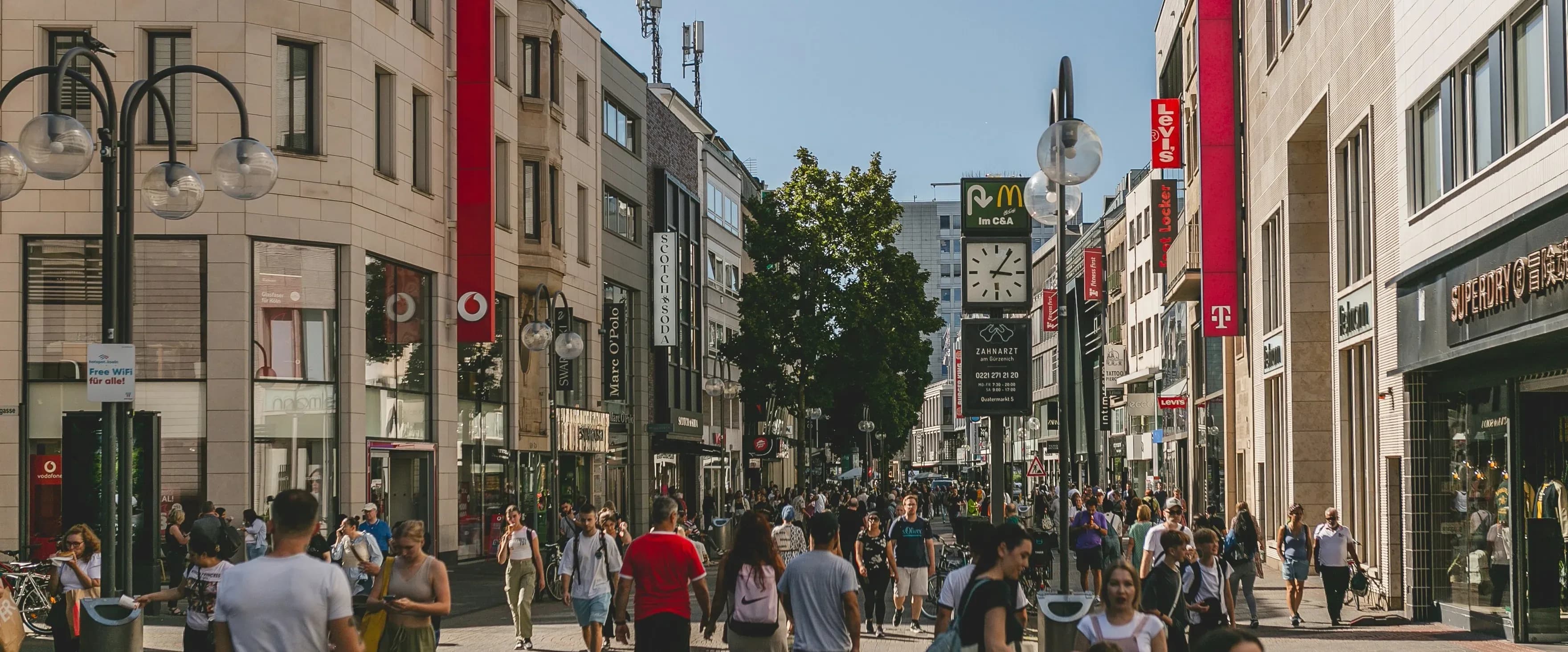
Understanding the cost of living in Cologne is essential for professionals planning a relocation and for those evaluating whether the city fits their lifestyle expectations. Compared to other major German and international cities, Cologne offers a relatively balanced cost structure, especially when salaries, public services, and quality of life are considered together.
Breakdown of Major Expenses
Housing
Housing is the largest expense for most residents. Rental prices in Cologne have increased in recent years due to strong demand, but they remain lower than in Munich or Frankfurt.
- A one-bedroom apartment in the city center typically costs €1,000 to €1,300 per month
- The same apartment outside the center averages €750 to €1,000 per month
- A three-bedroom apartment in the city center usually ranges from €1,600 to €2,100 per month
Utilities and Internet
Utilities in Germany are generally reliable and regulated, though energy prices can fluctuate.
- Monthly utilities for an 85 m² apartment average €250 to €320, including electricity, heating, water, and waste
- High-speed home internet typically costs €35 to €50 per month
Transportation
Cologne has an extensive public transport network operated by KVB, covering trams, buses, and regional trains.
- Monthly public transport pass costs around €49, benefiting from Germany’s nationwide public transport ticket initiative
- A single ticket within the city costs approximately €3.20
- Gasoline prices average around €1.80 to €1.90 per liter, depending on market conditions
Food and Groceries
Grocery costs are moderate by Western European standards.
- 1 liter of milk costs about €1.10
- A loaf of fresh bread averages €2.00 to €3.00
- 12 eggs cost roughly €3.00 to €3.80
- Monthly grocery spending for one person typically ranges between €250 and €350
Eating out is also accessible:
- An inexpensive restaurant meal costs around €12 to €15
- A three-course meal for two at a mid-range restaurant averages €55 to €70
- A local Kölsch beer in a traditional brewery usually costs €2.00 to €2.50
Healthcare and Insurance
Health insurance is mandatory in Germany and is typically deducted directly from salaries.
- Public health insurance contributions are around 14 to 15 percent of gross income, shared between employee and employer
- Most residents have access to comprehensive healthcare services with low out-of-pocket costs
Entertainment and Leisure
Cologne offers a wide range of affordable leisure activities.
- Cinema tickets cost about €12 to €15
- Monthly gym memberships average €30 to €50
- Museum entry fees are often €5 to €13, with discounts for residents and students
Comparison with National and International Cities
Compared to the German national average, Cologne is moderately priced. Rent is higher than in smaller cities such as Leipzig or Essen but noticeably lower than in Munich, where city-center rents can be 40 to 60 percent higher.
When compared internationally:
- Cologne is significantly more affordable than London, where rent and transport costs are substantially higher
- Living costs are lower than Paris, especially for housing
- Compared to Berlin, Cologne is slightly more expensive for rent but similar for groceries and public transport
Overall, Cologne offers a strong value proposition for professionals. While housing requires planning and early searching, everyday expenses, transport, healthcare, and leisure remain predictable and manageable, making the city a realistic long-term option for both single professionals and families.
Average Salaries
Understanding average salary levels in Cologne helps professionals assess purchasing power and long-term financial stability. As one of Germany’s major economic centers, Cologne offers competitive wages across a wide range of industries, supported by strong labor protections and social benefits.
Salary Ranges by Experience Level
Salaries in Cologne vary by sector, experience, and company size, but the following gross annual figures provide a realistic overview for full-time employment across professional roles.
-
Entry-level positions:
Professionals at the start of their careers typically earn between €40,000 and €50,000 per year. This range is common for junior roles in administration, marketing, IT support, engineering assistance, and business operations.
-
Mid-level professionals:
With several years of experience, salaries generally range from €55,000 to €70,000 per year. This applies to experienced specialists, project managers, consultants, engineers, and analysts across industries such as technology, media, manufacturing, and finance.
-
Senior and management roles:
Senior professionals, team leads, and managers often earn €75,000 to €95,000 or more per year, depending on responsibility, sector, and company scale. Executive and highly specialized roles can exceed this range.
Average Salary in Cologne
The average gross annual salary in Cologne is approximately €55,000, placing the city slightly above the German national average. Strong representation from high-value industries such as media, automotive, insurance, logistics, and digital services contributes to this figure.
Comparison with National and International Cities
Within Germany:
- Salaries in Cologne are higher than the national average, which is around €49,000 gross per year
- Earnings are generally lower than Munich and Frankfurt, where finance and headquarters roles drive higher wages
- Salaries are comparable to Berlin, though Berlin shows wider variation between startups and established firms
Internationally:
- Salaries in Cologne are lower than London or Zurich, but this is offset by significantly lower living and housing costs
- Compared to Paris, Cologne offers similar or slightly lower gross salaries, but with stronger purchasing power due to lower rent and daily expenses
Net Income and Benefits
Germany’s salary system includes mandatory contributions for health insurance, pensions, unemployment insurance, and long-term care. While this reduces net income, it provides strong social security coverage, predictable healthcare costs, and long-term stability.
Employees in Cologne also commonly benefit from:
- 20 to 30 paid vacation days per year
- Paid public holidays
- Parental leave and child benefits
- Strong job security and employee rights
Overall, Cologne delivers solid earning potential combined with reliable social benefits. For professionals seeking financial stability, career growth, and a balanced lifestyle rather than maximum salaries alone, the city presents a compelling and sustainable option.
Family-Friendliness

Cologne is widely regarded as a family-friendly city, offering a strong social infrastructure, accessible public services, and a lifestyle that supports both working parents and children. For families considering relocation, the city combines Germany’s well-developed welfare system with a welcoming, community-oriented atmosphere.
Overview of Family Services
Education and Schools
Families in Cologne benefit from a broad range of public, private, and international schooling options. Public schools are free and follow the North Rhine-Westphalia education system, which is known for its strong academic standards.
- Public primary and secondary schools are widely available across all districts
- International and bilingual schools serve expatriate families, including the Cologne International School and St. George’s – The British International School Cologne
Official education information and school search tools are provided by the City of Cologne and the state education authority
Childcare and Kindergartens
Cologne offers extensive childcare services, including Kitas (daycare centers), church-run facilities, and private childcare providers.
- Children from the age of one are legally entitled to a childcare place in Germany
- Fees depend on household income and are subsidized by the city
- Demand is high, so early registration is strongly recommended
Healthcare Services
Healthcare access in Cologne is excellent. Families are covered through Germany’s statutory or private health insurance systems, ensuring access to pediatricians, hospitals, and specialist care.
- Children are included in public health insurance at no extra cost
- Cologne hosts several highly regarded hospitals, including University Hospital Cologne
Parks, Playgrounds, and Outdoor Spaces
Cologne places strong emphasis on outdoor family life. The city maintains hundreds of playgrounds, green corridors, and large parks.
- Stadtwald and Rheinpark are popular for weekend family activities
- The Rhine riverbanks offer cycling paths and open spaces for picnics and play
Appealing Features for Families
Cologne offers many everyday advantages that make family life manageable and enjoyable.
- Safe residential neighborhoods such as Lindenthal, Nippes, and Rodenkirchen are especially popular with families due to green spaces and good schools
- A reliable public transport system allows children and teenagers to travel independently at an early age
- Numerous family-oriented museums, including the Chocolate Museum and the Romano-Germanic Museum, offer educational leisure activities
- Weekend destinations such as zoos, swimming pools, and nearby nature reserves are easily accessible without a car
Cologne’s social culture is another key factor. Neighbors tend to be approachable, schools and childcare centers foster strong parent communities, and local events often cater to all age groups. Combined with generous parental benefits, child allowances, and flexible working arrangements common in Germany, the city supports families through every stage of life.
Overall, Cologne provides a stable, supportive environment for raising children, while still offering diverse career opportunities for parents. This balance makes it a strong choice for families planning a long-term move.
Relocation Resources
Relocating to Cologne is made easier by Germany’s well-structured housing market and a wide range of professional relocation services. Whether planning a short-term stay or a long-term move, having reliable resources in advance is essential due to strong demand, especially in popular neighborhoods.
Housing and Relocation Services
Long-Term Rentals
Finding long-term housing in Cologne requires preparation, quick responses, and complete documentation. The following platforms are widely used and trusted across Germany:
-
Immobilienscout24
Germany’s largest real estate platform, offering apartments and houses for rent across Cologne. Filters help narrow searches by district, price, and size.
-
Immowelt
A popular alternative with strong coverage in North Rhine-Westphalia, including both private and agency listings.
-
WG-Gesucht
Especially useful for professionals arriving alone or initially seeking shared apartments or temporary furnished rooms.
These platforms typically require documents such as proof of income, a SCHUFA credit report, and identification. Being prepared with digital copies significantly improves response times.
Short-Term and Temporary Housing
For professionals who prefer to secure permanent housing after arrival, short-term accommodation is a common first step.
-
Zeitwohnen Rhein Ruhr
Corporate apartments, lofts, studios, project flats, houses for families or co-workers.
-
Wunderflats
Specializes in furnished apartments for mid-term stays, often used by international professionals and project-based workers.
https://wunderflats.com
-
CozyCozy
Short term rental from a large selection of accommodations: weekly rentals, weekly studios, furnished rentals https://www.cozycozy.com
Professional Relocation Services
Relocation agencies can provide valuable support for professionals and families unfamiliar with German administrative processes.
-
HereLocation
Offers assistance with international transfer**,** housing search, registration, residence permits, visas, and school placement.
-
German Relocators
Operates nationwide and supports international professionals with immigration, settling-in services, and family relocation.
Official City Resources
The City of Cologne provides clear, multilingual information for newcomers covering registration, residence permits, childcare, and daily life administration.
-
Official newcomer portal of the City of Cologne
This portal is particularly helpful for understanding mandatory steps such as Anmeldung (address registration), tax ID issuance, and access to public services.
Practical Relocation Tips
- Start the housing search early, ideally several weeks before arrival
- Prepare all required documents in advance, preferably translated into German
- Consider temporary housing to allow time for neighborhood exploration
- Register your address promptly after moving in, as this is required for opening bank accounts and receiving a tax ID
Overall, while Cologne’s housing market is competitive, the availability of structured platforms, professional services, and clear municipal guidance makes relocation manageable with the right preparation.
Job Market and Taxes
Cologne offers a diverse and resilient job market, supported by its position within the Rhine-Ruhr metropolitan region and its strong presence in services, media, technology, logistics, and manufacturing. For professionals relocating to the city, understanding both employment opportunities and the tax system is essential for long-term planning.
Current Job Opportunities
Cologne’s economy benefits from a mix of multinational corporations, mid-sized companies, startups, and public institutions. Key sectors with consistent demand include:
- Information technology and software services
- Media, broadcasting, and digital content
- Automotive and mobility-related industries
- Logistics, supply chain, and e-commerce
- Insurance, finance, and professional services
Explore the latest opportunities in Cologne with TieTalent, browse current positions here: https://tietalent.com/en/jobs
Income Tax Overview in Germany
Germany operates a progressive income tax system, meaning higher earnings are taxed at higher rates. Income tax is automatically deducted from salaries through payroll, making the process straightforward for employees.
Key points of the German tax system include:
- Income tax rates range from 14 percent to 45 percent, depending on annual income
- A solidarity surcharge may apply for higher incomes
- Mandatory social contributions cover health insurance, pensions, unemployment insurance, and long-term care
- Married couples can benefit from joint tax assessment, which may reduce the overall tax burden
Employees receive a monthly payslip detailing gross income, tax deductions, and net salary. Tax class assignment depends on marital status and family situation.
To estimate net income accurately, professionals moving to Cologne can use TieTalent’s Germany-specific tax calculator: https://tietalent.com/en/tax-calculator/de
This tool helps estimate take-home pay expectations and supports financial planning before and after relocation.
Featured Articles: