
Career AdvancementCareer Cushioning Explained: Why Professionals Are Quietly Preparing Exit Plans
Moving to Boston, USA

Welcome to Boston – Where World-Class Innovation Meets Historic Charm
Located on the US East Coast, Boston stands out as one of the most influential cities for education, healthcare, and technology. As the capital of Massachusetts, Boston combines centuries of history with a forward-looking economy driven by research, startups, and global enterprises.
Boston’s economic strength is deeply tied to its concentration of top universities and research institutions, including MIT and Harvard in neighboring Cambridge. This academic ecosystem feeds directly into a powerful innovation pipeline. According to the Massachusetts Technology Collaborative, the Greater Boston area employs over 400,000 people in technology-related roles, spanning software development, biotechnology, artificial intelligence, robotics, and cybersecurity. Venture capital investment remains among the highest in the United States, consistently ranking Boston just behind Silicon Valley for total VC funding.
For professionals, Boston offers access to high-impact careers in established companies and fast-growing startups. Kendall Square in Cambridge is often described as the most innovative square mile on the planet, hosting global players in biotech, cloud computing, and advanced research. The Seaport District, a rapidly transformed waterfront area, has become a hub for tech offices, coworking spaces, and innovation labs.
Beyond career opportunities, Boston is highly appealing for relocation thanks to its quality of life. The city offers a strong work-life balance by US standards, with generous access to green spaces, walkable neighborhoods, and efficient public transportation via the MBTA. Boston consistently ranks high for safety, healthcare quality, and educational attainment, making it attractive not only for young professionals but also for those planning long-term relocation.
Diversity is another defining feature. Nearly 30 percent of Boston residents were born outside the United States, contributing to an international atmosphere and a broad range of cultural communities. This global outlook, combined with strong labor protections and competitive salaries, makes Boston a strategic choice for professionals seeking career growth without sacrificing lifestyle.
With its blend of economic resilience, innovation leadership, and livable urban environment, Boston continues to attract talent from across United States and around the world.
Lifestyle and Culture
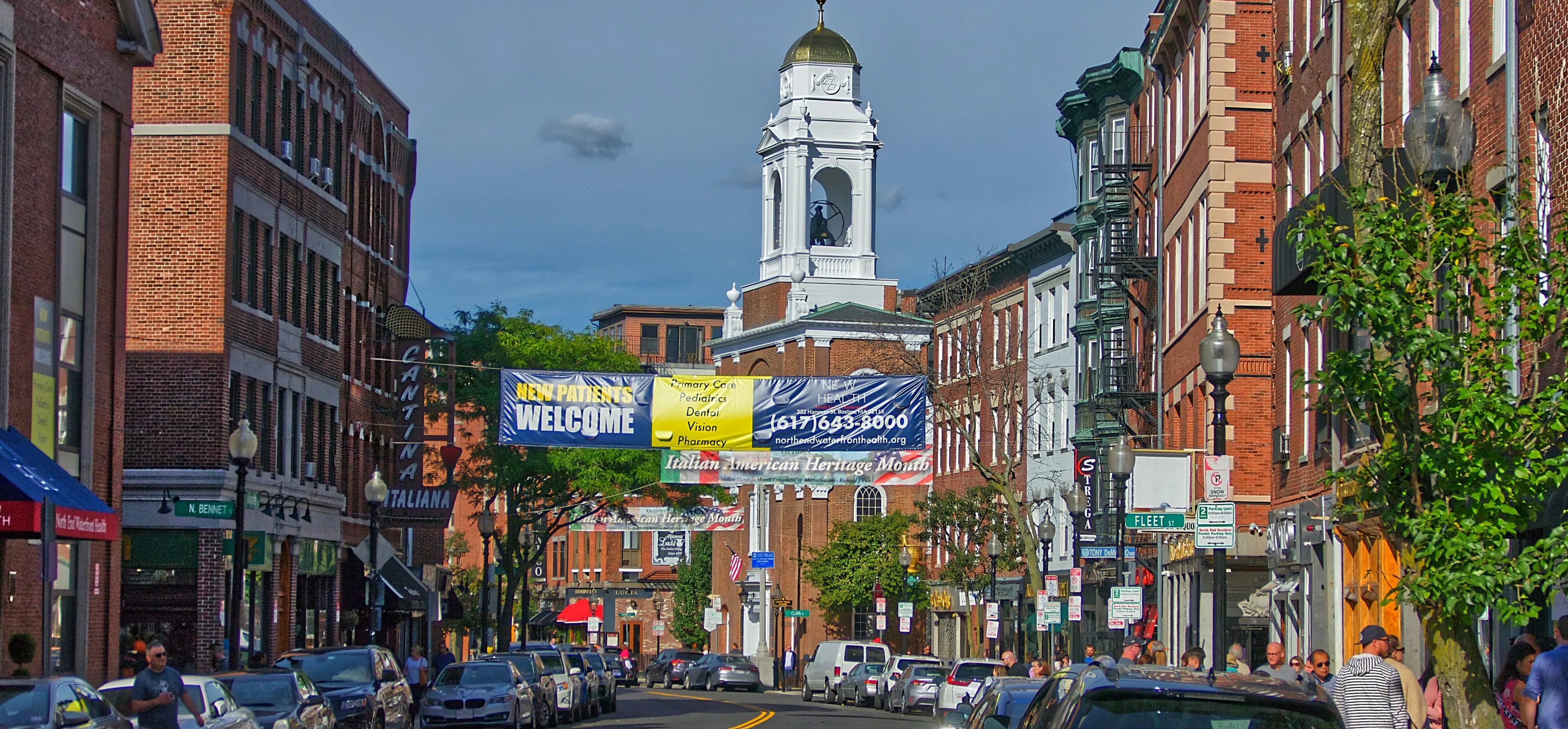
City Lifestyle
Life in Boston blends East Coast professionalism with a relaxed, neighborhood-oriented rhythm. The city is known for being ambitious and career-focused during the workweek, while weekends are reserved for socializing, outdoor activities, and cultural events. Many residents start their days early, especially in sectors like tech, healthcare, and education, but evenings are lively with dining, sports, and live music.
Boston places a strong emphasis on work-life balance compared to other major US cities. Commutes are relatively short due to the city’s compact layout, and many professionals choose walkable neighborhoods close to work hubs. Remote and hybrid work are widely accepted, particularly in tech and knowledge-based roles. Social life often revolves around cafes, fitness studios, waterfront walks, and casual meetups rather than flashy nightlife, although areas like the Seaport and Downtown Crossing offer a more energetic after-hours scene.
Seasonality shapes daily life. Summers are vibrant with outdoor dining, harbor cruises, and festivals, while winters are colder and quieter, encouraging indoor cultural activities. Residents tend to embrace all four seasons, with autumn being especially popular due to New England’s foliage and mild weather.
Cultural Highlights and Attractions
Boston’s cultural identity is deeply tied to its history, arts scene, and academic influence. The city is one of the oldest in the United States, and its past is visible throughout everyday life.
Key cultural highlights include:
- The Freedom Trail, a 4-kilometer walking route connecting 16 historic sites that define early American history.
- World-class museums such as the Museum of Fine Arts and the Isabella Stewart Gardner Museum, both offering extensive collections and regular exhibitions.
- A strong performing arts scene anchored by the Boston Symphony Orchestra and historic theaters across the city.
Annual events play a major role in community life. Boston hosts large-scale celebrations like the Boston Marathon, Fourth of July festivities along the Charles River, and seasonal food and cultural festivals reflecting the city’s Irish, Italian, Caribbean, and Asian communities. Sports culture is also central, with local teams shaping social conversations year-round.
Popular Neighborhoods
Boston’s neighborhoods each have a distinct personality, catering to different lifestyles and stages of life.
-
Cambridge
A top choice for tech professionals, Cambridge is home to Kendall Square and major research institutions. The area offers a highly intellectual vibe, excellent public transport connections, and a mix of modern apartments and historic homes. Green spaces along the Charles River add to its appeal.
-
Seaport District
One of Boston’s newest and fastest-growing areas, the Seaport attracts professionals working in tech, startups, and innovation labs. It features modern housing, waterfront views, coworking spaces, and a vibrant dining scene. Rents are higher, but amenities are among the best in the city.
-
Back Bay
Known for its iconic brownstones and upscale shopping, Back Bay appeals to professionals seeking a central location with classic architecture. The neighborhood is walkable, close to major offices, and well connected to public transport.
-
Jamaica Plain
Popular with families and remote workers, Jamaica Plain offers more space, strong community spirit, and access to large parks like the Arnold Arboretum. Housing includes single-family homes and smaller apartment buildings, often at slightly lower prices than downtown areas.
Together, these neighborhoods reflect Boston’s balance between innovation-driven careers and livable, community-focused urban life.
Cost of Living
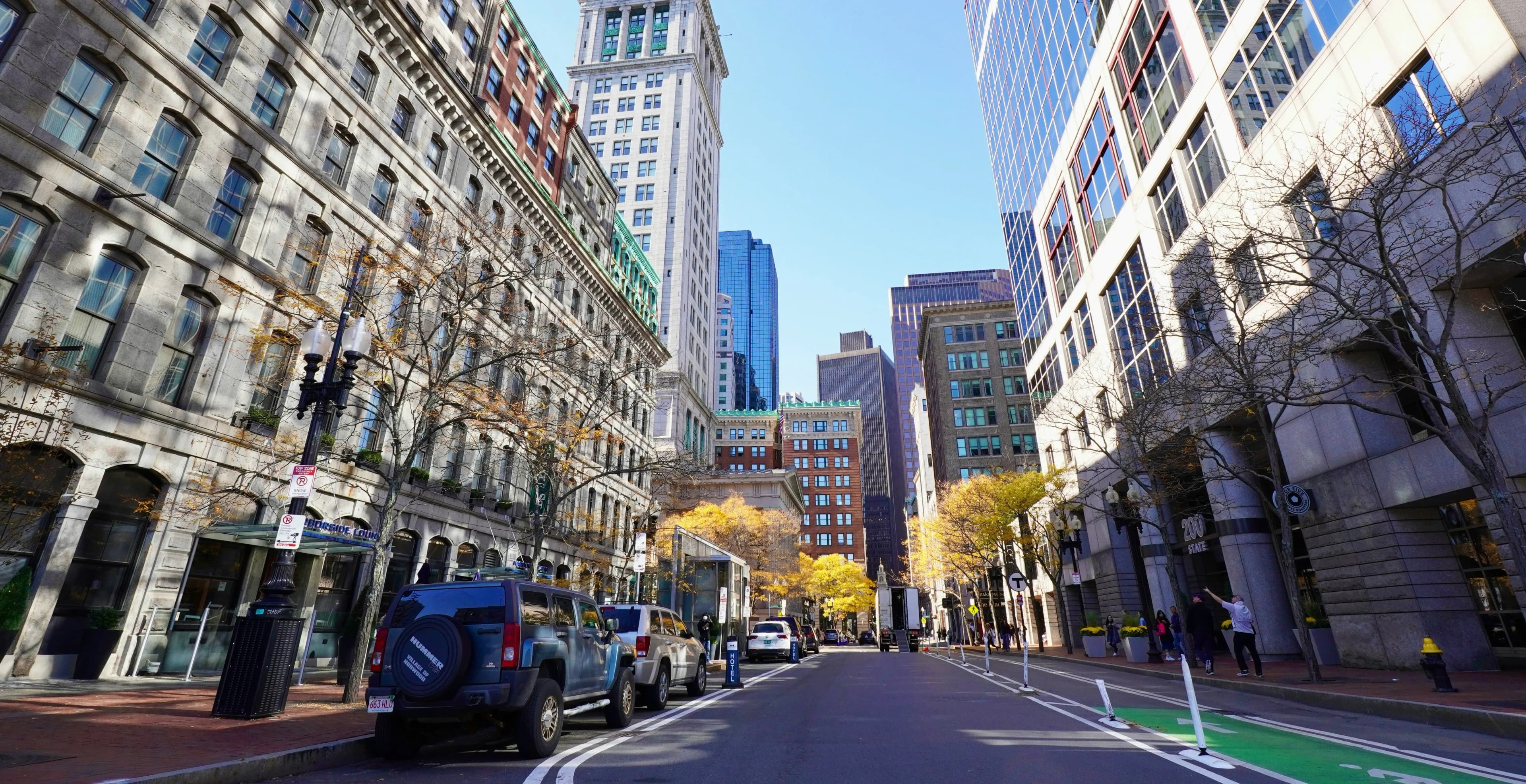
Breakdown of Major Expenses
Housing
Boston is one of the most expensive cities in the United States, and housing is the biggest driver of cost. Average monthly rent for a one-bedroom apartment in the city centre is around $3,400 – $3,700, and even outside the centre it often exceeds $2,500 per month. Larger apartments or multi-bedroom homes can cost $5,000 + monthly. Renting is typically 119% higher than the U.S. national average. Home prices follow a similar trend, with median sale prices well over $1 million in many parts of Boston.
Utilities and Connectivity
Monthly utilities (electricity, heating, cooling, water, garbage) for a typical apartment often fall between $150 – $330 depending on season and usage, with Boston utilities around 50% higher than the national average. Internet and mobile phone plans add roughly $60 – $100 per month on top of utility costs.
Food and Groceries
Grocery prices in Boston are moderately higher (about 4 % above national average). Simple staples like milk and bread cost around $4 – $5, while dining out ranges broadly depending on venue and cuisine. Many locals shop at markets like Haymarket to stretch their grocery budget because produce and basics are available at comparatively lower prices.
Transportation
Boston’s public transportation, managed by the MBTA, offers extensive coverage. A one-way subway or bus fare is typically around $2.40, and monthly transit passes usually range near $90. Commuter rail fares to suburbs depend on distance, but many workers rely on public transit to keep commuting costs manageable. Bike-share programs like Bluebikes also provide subsidized options for residents.
Healthcare and Services
Healthcare services in Boston run about 30 % higher than national averages, reflecting the concentration of world-class medical facilities and associated costs. Other services, entertainment, and personal care also tend to be priced above U.S. norms.
Example Monthly Budget — Single Person (Excluding Taxes)
-
Rent (1BR, city): $3,300 – $3,700
-
Utilities + Internet: $200 – $300
-
Groceries: $300 – $400
-
Public Transit Pass: $90 – $100
This totals roughly $4,000 + per month just to cover basic expenses for a single resident before taxes.
Comparison to National Average and Other Cities
Boston’s overall cost of living index is about 46 % higher than the national average, driven heavily by housing and utilities.
- Housing costs exceed the U.S. average by more than 100 %, making rent and mortgage payments significantly steeper than typical U.S. cities.
- Utilities sit roughly 50 % above national norms.
- Food costs are slightly above the U.S. average.
- Compared to another high-cost city like New York City, Boston can be somewhat more affordable overall, but still pricey relative to U.S. standards.
Regional Context
Boston’s high costs reflect strong demand from professionals, students, and families drawn to its job market and quality of life. Even with higher salaries, many residents find housing to be the most significant financial challenge: recent analyses show that to afford typical Boston rents without rent burden, a household often needs a six-figure income, far above many median wages in the region.
Average Salaries in Tech

Salary Ranges by Experience
Boston’s tech ecosystem pays above the national average for many technology roles, reflecting the city’s strong demand, concentration of research institutions, and competitive labor market.
Entry-Level / Junior Roles
- Entry Level IT Technician: Around $54,000 per year, with a typical range roughly $38,000 – $58,700; top earners can exceed $100,000 at the 90th percentile.
- Junior Software Developer (approximation based on general programming roles in Boston): Median salaries around $118,000 per year, with variation by experience and company.
Mid-Level Roles
- Software Engineer (general): Compensation commonly falls between $125,000 – $216,000 per year in the Greater Boston area, with a median near $162,500 across companies and experience levels.
- Specialized roles like data analysts, DevOps engineers, and full-stack developers typically align with or exceed these mid-level ranges, depending on skills and industry segment (e.g., biotech, cloud).
Senior Roles
- Senior Software Engineer: Senior compensation often ranges approximately $167,000 – $270,000 per year, with top performers in major tech firms earning even more.
Overall data from local recruitment analyses suggests the average base salary for IT and tech workers in Boston is near $148,000 per year, underscoring Boston’s competitiveness in tech compensation.
Comparison: Boston vs. National Averages
Boston’s tech salaries generally exceed national averages for similar roles due to concentrated demand from sectors such as software, biotech, and cloud computing. For example, while the U.S. median salary for many computer-related occupations runs around $105,000 – $110,000 annually, Boston’s tech roles often offer 15 % – 30 % higher compensation or more, depending on specialization and company size.
Why Boston Pays More
- Presence of research giants and universities fostering advanced R&D.
- Strong competition among startups, enterprise tech firms, and healthcare IT employers.
- Higher local cost of living influencing salary structures.
Family-Friendliness

Overview of Family Services
Boston is widely regarded as one of the most family-oriented large cities in the United States, largely due to its strong education system, access to top-tier healthcare, and abundance of green spaces.
Education
Boston offers a broad range of schooling options that appeal to both local and international families:
-
Public schools are managed by Boston Public Schools, one of the oldest school districts in the country. Several schools are nationally recognized, particularly exam schools such as Boston Latin School.
-
Private and international schools are widely available, catering to families seeking alternative curricula, bilingual education, or religious instruction.
-
The wider Greater Boston area provides access to some of the world’s most respected universities, reinforcing a strong academic culture from early education onward.
Healthcare
Healthcare access is one of Boston’s strongest advantages for families. The city is home to globally ranked hospitals, including Boston Children's Hospital and Massachusetts General Hospital. Pediatric care, specialist services, and preventive healthcare are widely available, although costs can be high without comprehensive insurance.
Childcare and Early Education
Childcare options range from daycare centers and preschools to employer-supported childcare programs. Availability is good, but demand is high, especially for infants. Many families secure childcare months in advance. Massachusetts consistently ranks among the top US states for early childhood education quality, although it is also among the most expensive.
Parks and Outdoor Spaces
Boston’s urban layout includes extensive outdoor areas suitable for families. The Emerald Necklace park system connects multiple neighborhoods with walking paths, playgrounds, and picnic areas. The Charles River Esplanade is especially popular for weekend family activities, cycling, and seasonal events.
Appealing Features for Families
Boston offers many everyday advantages that make family life manageable and enjoyable:
- Safe, walkable neighborhoods with easy access to schools, parks, and libraries.
- Weekend activities such as museums with family programs, seasonal festivals, and sports events.
- Public transportation that allows older children and teenagers to move around the city independently, reducing reliance on cars.
- Community-oriented neighborhoods like Jamaica Plain, West Roxbury, and parts of Cambridge that attract families seeking space, greenery, and strong local networks.
While housing and childcare costs are high, many families consider the trade-off worthwhile due to the city’s education quality, healthcare access, and long-term opportunities for children. For professionals relocating with families, Boston provides a stable environment that supports both career growth and family well-being.
Relocation Resources

Relocating to Boston requires planning, particularly due to high housing demand and competitive rental timelines. Having the right resources in place can significantly ease the transition for professionals and families moving from within the United States or from abroad.
Housing and Relocation Services
Long-Term Rentals
-
Apartments.com
One of the most widely used rental platforms in the US, offering verified listings across Boston neighborhoods. Filters for budget, commute time, pet policies, and amenities are especially useful in a high-cost market.
Source: https://www.apartments.com/boston-ma/
-
Zillow Rentals
Popular for both apartments and single-family homes, Zillow provides market insights such as rent trends and neighborhood comparisons, which help newcomers understand pricing differences across Boston.
Source: https://www.zillow.com/boston-ma/rentals/
-
PadMapper
Frequently used by younger professionals and international arrivals, PadMapper aggregates listings from multiple sources and displays them on an interactive map, helping renters prioritize location and transit access.
Source: https://www.padmapper.com/apartments/boston-ma
Short-Term and Furnished Housing
-
Blueground
Specializes in fully furnished apartments designed for professionals on medium-term assignments or those needing housing while searching for a long-term rental. Apartments are move-in ready and typically located in central neighborhoods.
Source: https://www.theblueground.com/furnished-apartments-boston-usa
-
Airbnb
Commonly used for short stays during the first weeks after arrival. While not ideal for long-term living due to cost, it provides flexibility when timing a permanent move.
Source: https://www.airbnb.com/boston-ma/stays
Relocation and Settling-In Support
-
City of Boston Official Resources
The city provides guidance on resident registration, parking permits, waste collection, and local services. These resources are particularly useful for understanding administrative steps after arrival.
Source: https://www.boston.gov
Practical Relocation Tips
- Timing matters: The busiest rental cycle runs from May through September, with September 1 being the most common lease start date. Competition and upfront costs are highest during this period.
- Upfront costs: Many Boston rentals require first month’s rent, last month’s rent, a security deposit, and a broker fee, often totaling several months of rent upfront.
- Proximity to transit: Choosing housing near MBTA subway lines can significantly reduce commute time and transportation costs, especially for professionals working downtown or in Cambridge.
With careful planning and the right platforms, relocating to Boston becomes far more manageable despite the city’s competitive housing market.
Job Market and Taxes

Current Job Market
Boston has one of the strongest and most resilient job markets in the United States, particularly for highly skilled professionals. The local economy is powered by technology, biotechnology, healthcare, finance, and education, with a growing overlap between tech and life sciences that creates consistent demand for software engineers, data specialists, cloud architects, and cybersecurity professionals.
Boston’s tech market benefits from:
- A dense concentration of startups and scaleups, especially in software, AI, and biotech tooling.
- Large multinational employers with engineering and R&D hubs.
- Continuous talent demand driven by universities, hospitals, and research institutions spinning out new companies.
For professionals planning a move, this translates into strong hiring activity year-round, competitive compensation, and long-term career stability.
To explore current opportunities in Boston, and other tech ecosystem around the world, candidates are encouraged to browse open roles exclusively via TieTalent.
Income Tax Overview
The United States uses a progressive income tax system, meaning higher income levels are taxed at higher rates. Professionals working in Boston are subject to three main types of taxes:
Federal Income Tax
Federal tax rates are applied nationwide and increase with income brackets. Employers typically withhold federal taxes directly from monthly paychecks.
State Income Tax (Massachusetts)
Massachusetts applies a flat state income tax rate, which simplifies calculations compared to states with progressive systems. This tax is deducted automatically for salaried employees working in Boston.
Local Taxes
Boston does not impose an additional city income tax, which slightly offsets the city’s high cost of living compared to other major US metros with local taxation.
In addition to income tax, employees contribute to Social Security and Medicare through payroll deductions. Health insurance is commonly provided through employers, but premiums and out-of-pocket costs vary significantly by plan.
What This Means for Relocating Professionals
- Net take-home pay is reduced by federal and state taxes, but Boston salaries are structured to remain competitive after deductions.
- Tax filing is done annually, and many professionals use tax advisors or software, especially during the first year after relocation.
- Stock options, bonuses, and equity compensation are common in tech roles and may be taxed differently from base salary.
For professionals relocating to Boston, understanding the tax structure early helps with realistic budgeting and long-term financial planning, especially when balancing high housing costs against strong earning potential.
Featured Articles: