












Career AdvancementInterview Secrets: How to Get Any Job You Want
Career Advancement
Future-Proof Your Career: 10 Jobs AI Will Transform or Replace by 2030
Reading time 12minLet's talk about the elephant in the room: artificial intelligence isn't just changing how we work, it's fundamentally reshaping what work looks like. If you've been paying attention to the headlines, you've probably noticed that the conversation around AI and jobs has shifted from "Will this happen?" to "When will this happen?"
The truth is, it's already happening. And while nobody has a crystal ball that can predict the future with certainty, we do have data, trends, and projections that paint a pretty clear picture of where we're headed. According to McKinsey Global Institute, at least 14% of employees globally could need to change their careers by 2030 due to digitization, robotics, and AI advancements.
But here's the thing: this isn't a doom-and-gloom story. Yes, certain roles are going to change dramatically, or even disappear. But AI is also creating opportunities we couldn't have imagined a decade ago. The key is being prepared, adaptable, and honest about what's coming.
So let's dive into 10 jobs that won't exist as we know them by 2030, what's driving these changes, and most importantly, what you can do about it.
1. Data Entry Clerks
The Current Reality
Data entry has long been one of those necessary-but-tedious roles that keeps businesses running. Someone needs to input invoices, update spreadsheets, and transfer information between systems.
Why It's Changing
AI excels at exactly this type of work. Natural language processing and optical character recognition (OCR) technology can now extract data from documents, emails, and forms with remarkable accuracy. Systems can read invoices, categorize expenses, and update databases faster than any human could, and they don't get tired or make typos after the 500th entry.
What's Next
Rather than eliminating these workers entirely, companies are transitioning data entry clerks into data quality assurance roles, where human oversight ensures AI systems are functioning correctly and catches edge cases that machines miss.
2. Bank Tellers and Cashiers
The Current Reality
Walk into almost any bank or retail store, and you'll still find humans behind the counter processing transactions.
Why It's Changing
The numbers tell the story. According to the U.S. Bureau of Labor Statistics, bank teller employment is projected to decline by 15% from 2023 to 2033 (eliminating about 51,400 jobs), while cashier roles are expected to drop 11% (a reduction of 353,100 jobs). The culprits? Digital banking, mobile payment apps, and self-checkout systems that have become increasingly sophisticated and user-friendly.
What's Next
Financial institutions are reimagining these roles as customer service specialists and financial advisors, positions that leverage human empathy and complex problem-solving rather than routine transactions.
3. Junior Software Developers (Entry-Level Coding Roles)
The Current Reality
Surprising, right? You'd think tech jobs would be safe. But here's the twist: AI isn't replacing senior engineers, it's changing the entry point into the profession.
Why It's Changing
Tools like GitHub Copilot, ChatGPT, and Claude can now generate functional code from natural language prompts. A recent analysis found that job postings for junior developers dropped from around 30% of listings to 20% over the past year, while positions requiring 7+ years of experience rose from 30% to nearly 40%.
AI can handle the routine coding tasks that junior developers once cut their teeth on, writing boilerplate code, debugging syntax errors, and creating basic functions. As one industry observer notes, IT unemployment jumped from 3.9% to 5.7% in just one month, driven by companies investing in AI rather than new hires.
What's Next
The role is evolving toward AI-assisted development, where engineers focus on system architecture, AI integration, and creative problem-solving. Morgan Stanley Research actually predicts growth in software development jobs, but the skills required are changing dramatically. Future developers will need to be "AI conductors" who know how to prompt, review, and refine AI-generated code rather than writing everything from scratch.
4. Bookkeepers and Basic Accounting Roles
The Current Reality
Small businesses everywhere rely on bookkeepers to manage daily financial transactions, reconcile accounts, and prepare basic financial statements.
Why It's Changing
AI-powered accounting platforms like QuickBooks, Xero, and specialized AI bookkeeping services can now automatically categorize transactions, reconcile accounts, extract data from receipts, and generate real-time financial reports. According to research from Stanford GSB, accountants who use AI support more clients per week and finalize monthly statements 7.5 days faster than those using traditional methods.
The AI accounting market is projected to reach $53 million in revenue by 2030, reflecting massive industry adoption.
What's Next
Bookkeepers aren't disappearing—they're evolving into financial advisors and strategic analysts. The routine data entry is handled by AI, freeing professionals to provide insights, tax strategy, and business advisory services that require human judgment and client relationships.
5. Paralegals and Legal Assistants
The Current Reality
Paralegals handle legal research, document review, filing, and case preparation—essential but often repetitive tasks that support attorneys.
Why It's Changing
Legal AI can review thousands of case files in seconds, identify relevant precedents, draft contracts, and flag potential issues. According to Clio's 2024 Legal Trends Report, as much as 69% of paralegal billable hours could be automated using current AI technology. Goldman Sachs research suggests that generative AI could automate approximately 44% of legal tasks.
What's Next
The paralegal role is shifting toward strategic case management, client relations, and AI oversight. As experts note, "AI won't replace paralegals and legal assistants—at least not in the foreseeable future... Paralegals and assistants can expect their jobs to evolve—not disappear." The most successful paralegals will be those who learn to work alongside AI, using it to handle document review while they focus on nuanced legal analysis and client service.
6. Telemarketers and Cold Call Sales Representatives
The Current Reality
Making unsolicited phone calls to potential customers has been a mainstay of sales for decades.
Why It's Changing
AI-powered chatbots, predictive dialing systems, and conversational AI can now handle basic sales inquiries, qualify leads, and even conduct preliminary sales conversations. These systems work 24/7, never get discouraged by rejection, and can be programmed to follow compliance rules perfectly every time.
What's Next
Sales roles are transitioning toward consultative selling and relationship management—areas where human intuition, empathy, and complex negotiation skills are essential. The future sales professional is less telemarketer and more trusted advisor.
7. Customer Service Representatives (Tier 1 Support)
The Current Reality
Contact centers employ millions of people worldwide to answer calls, respond to emails, and solve basic customer problems.
Why It's Changing
AI chatbots and virtual assistants have become sophisticated enough to handle common inquiries, password resets, tracking updates, and basic troubleshooting. According to employment projections, customer service representative employment is expected to decline by 5.0% from 2023 to 2033.
What's Next
Customer service is bifurcating: basic queries go to AI, while complex issues and sensitive situations are escalated to human specialists with enhanced training and authority. The remaining roles focus on customer experience design, complaint resolution, and relationship building.
8. Medical Transcriptionists
The Current Reality
Healthcare providers rely on transcriptionists to convert voice recordings into written medical reports and documents.
Why It's Changing
AI-powered speech recognition has reached the point where it can accurately transcribe medical terminology, understand context, and format documents according to healthcare standards. The Bureau of Labor Statistics projects medical transcriptionist employment to decline by 4.7% from 2023 to 2033.
What's Next
The role is transforming into medical documentation specialist, where professionals focus on quality assurance, editing complex cases, and ensuring AI-generated transcripts meet regulatory requirements.
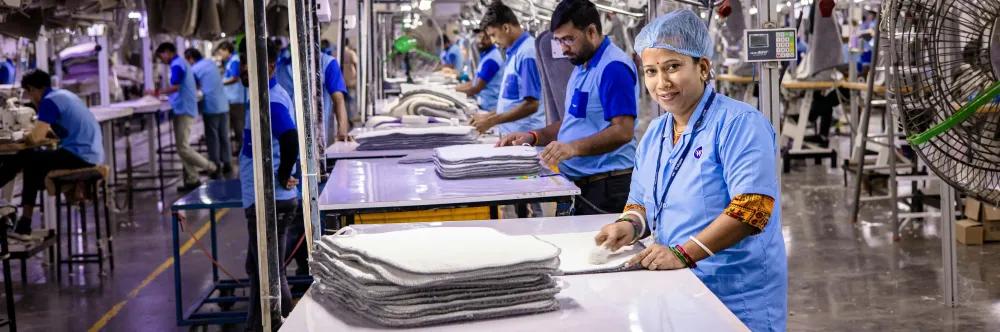
9. Assembly Line Workers and Manufacturing Positions
The Current Reality
Manufacturing has long employed millions in repetitive assembly tasks, from automotive to electronics.
Why It's Changing
Industrial robots and AI-powered automation systems can now perform complex assembly tasks with precision and consistency. Research from MIT and Boston University indicates that AI will replace as many as two million manufacturing workers by 2026. The U.S. Bureau of Labor Statistics projects a 6% decline in assembly positions from 2021 to 2031.
What's Next
Manufacturing jobs are moving toward robot supervision, maintenance, quality control, and process optimization. Workers are becoming technicians who program, monitor, and maintain automated systems rather than performing manual assembly.
10. Travel Agents (Traditional Booking Services)
The Current Reality
While already significantly diminished, some traditional travel agencies still exist to help people book flights, hotels, and vacation packages.
Why It's Changing
AI-powered platforms like Expedia, Booking.com, and Google Flights can instantly compare prices, suggest itineraries, and personalize recommendations based on preferences and past behavior. The convenience and cost savings of booking online have made traditional travel agent services largely obsolete for standard trips.
What's Next
The surviving travel professionals are those who specialize in complex itineraries, luxury travel, destination expertise, and personalized concierge services that require human knowledge, relationships, and judgment. They're becoming travel designers rather than booking agents.
The Skills That Will Keep You Relevant
Noticing a pattern? The jobs most at risk are those involving:
- Repetitive, rule-based tasks
- Structured problem-solving
- High levels of data processing
- Minimal human judgment required
The skills that remain valuable are:
- Complex problem-solving that requires context and nuance
- Emotional intelligence and relationship building
- Creative thinking and innovation
- Strategic planning and high-level decision-making
- AI literacy and the ability to work alongside intelligent systems
According to the World Economic Forum's 2025 Future of Jobs Report, approximately 22% of current jobs will transform significantly by 2030. While around 92 million existing roles are projected to disappear, approximately 170 million new job opportunities will emerge, resulting in a net increase of roughly 78 million jobs worldwide.
What You Can Do Right Now
1. Embrace Continuous Learning
The World Economic Forum estimates that 40% of today's workers will need major skill updates by 2030. Don't wait, start now. Take courses in AI literacy, data analysis, and emerging technologies relevant to your field.
2. Develop Your Uniquely Human Skills
Double down on skills that AI can't easily replicate: empathy, creativity, strategic thinking, and complex communication. These will be your competitive advantage.
3. Learn to Work WITH AI
Rather than fearing AI, become proficient in using it. As one expert puts it, "You shouldn't worry as much about AI taking your job as you should be worried about [someone] who knows how to use AI taking your job in the future."
4. Stay Adaptable
The pace of change is accelerating. The ability to adapt, pivot, and continuously reinvent yourself will be more valuable than any specific skill set.
5. Focus on Strategic and Advisory Work
Position yourself as someone who provides insights, makes complex decisions, and adds strategic value rather than just completing tasks.
The Bottom Line
Yes, AI is disrupting the job market in ways we haven't seen since the Industrial Revolution. But history shows us that technological disruption creates as many opportunities as it eliminates—often more. Goldman Sachs research suggests AI could automate around 300 million full-time jobs globally, but it's also expected to drive significant productivity gains and create entirely new categories of work.
The jobs on this list won't disappear overnight, and many will transform rather than vanish entirely. The key is being proactive rather than reactive. Start preparing now for the future of work, because it's arriving faster than you might think.
Remember: AI is a tool, not a replacement for human ingenuity, judgment, and creativity. The professionals who thrive in 2030 will be those who learned to harness AI's capabilities while leveraging their uniquely human strengths.
Looking for a job that matches your aspirations and skills? Join TieTalent today. Our platform matches IT and Digital Marketing professionals with companies that value what you bring to the table, including those seeking talents who know how to navigate modern hiring processes effectively.
Author
Antonio Aguilar Geronazzo
Marketing Manager - TieTalent
As the Marketing Manager at TieTalent, Antonio Aguilar is known for his adaptability and innovative approach. Having spent over 20 years in various industries, he contributes a broad spectrum of valuable insights. Antonio’s deep understanding of diverse markets and consumer needs enables him to create fresh and effective marketing strategies. He excels in combining his expertise with real-world insights to create marketing approaches that are not only effective but also genuinely connect with people. His articles, recognized for their insightful information and reliable references, have been key in forging strong relationships with diverse clients and audiences.

